History since 1894
The history of the New York Café from 1894 to the present day
From a meeting in a Parisian café to one of Budapest’s iconic historic cafés.
The world’s most beautiful café, where generations have been stepping inside since 1894, all with the same feeling: „You’ve got to see this.”
A palace, a café, a legend
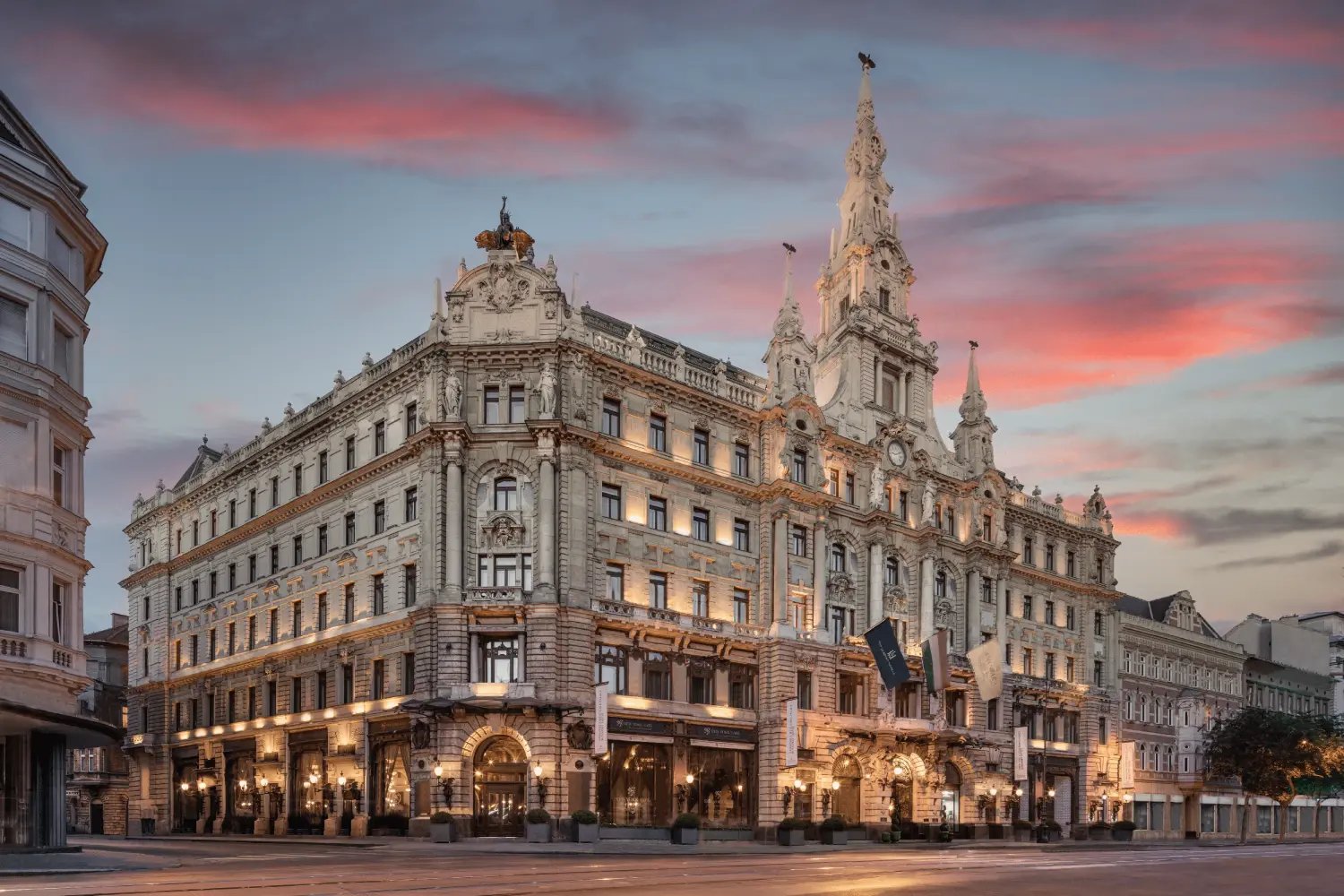
The history of the New York Café is not merely the history of a building or a café. Opened in 1894 and situated on the ground floor of the New York Palace, the café weaves together historical heritage, architectural beauty, the spirit of the café and a lively atmosphere with Budapest’s cultural memory.
The café, housed in a former insurance company’s mansion, served as a prestigious venue, a literary workshop, a meeting place for editorial staff, an elegant restaurant, one of the key venues of Pest’s nightlife, and later as a sports goods centre and the Hungária restaurant. There was a time when it seemed to be losing its former splendour, but in the 21st century it has once again become one of Budapest’s iconic historic cafés and a major tourist attraction.
Find out how the New York Palace came into being, how the café opened in 1894, what lies behind the legend of the key thrown into the Danube, and how, following its rebirth, the New York Café once again became one of the city’s defining venues. A place where the past does not merely live on in display cases, but is an integral part of the everyday guest experience.
Timeline
The New York Palace is being built on Budapest’s Grand Boulevard as a prestigious rental block for the New York Life Insurance Company.
The New York Café is opening on the ground floor of the palace.
The café is becoming one of the key meeting places in Hungarian cultural life.
The magazine *Nyugat* is launched, with its authors and editors having close ties to the intellectual circle of the New York Café.
The New York Café is once again a bustling social and nightlife venue.
The café loses its original function, but lives on in a different role.
It is once again operating as a restaurant under the name Hungária.
The refurbished New York Palace and the café are reopening.
The restoration of this listed building has been awarded the Europa Nostra Prize.
The New York Café has received international recognition: it is regarded as one of the world’s most beautiful cafés.
The New York Café is one of Budapest’s iconic, must-visit historic cafés.
Read about the different periods in the history of the New York Café
Historical chapters
The story didn’t begin in Budapest, but in a Parisian café.
The café, which opened in 1894, offered a unique sight right from the very start
The legendary stories of the New York Café
The New York Café became a truly literary café in the early 20th century.
This is how New York became one of the most important artistic centres in Budapest at the turn of the century.
The cultured aristocrat in a waiter’s jacket, dignity behind the tray.
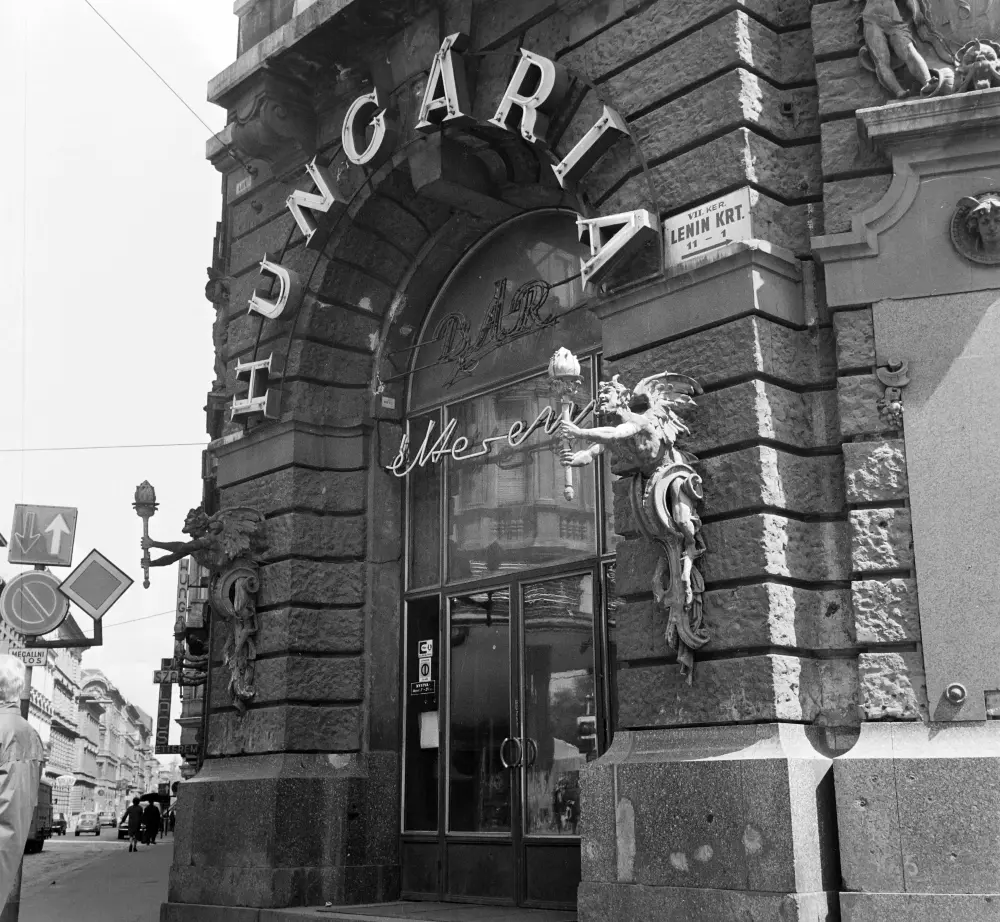
The history of the New York Café was not one of uninterrupted glory.
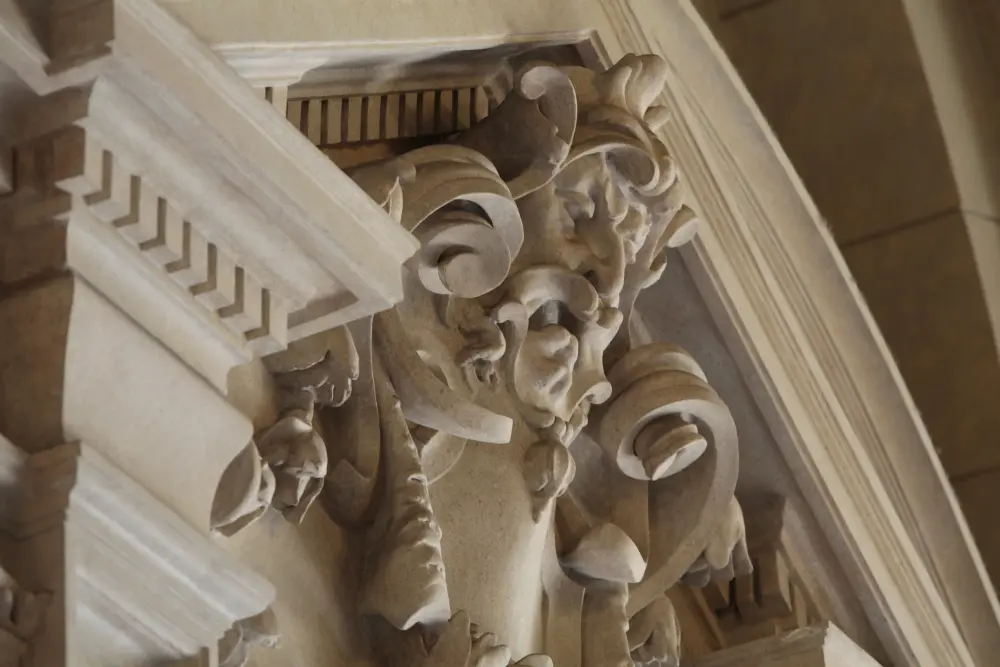
A new chapter has begun in the history of the New York Palace.
01
It all began with a meeting in a Parisian café
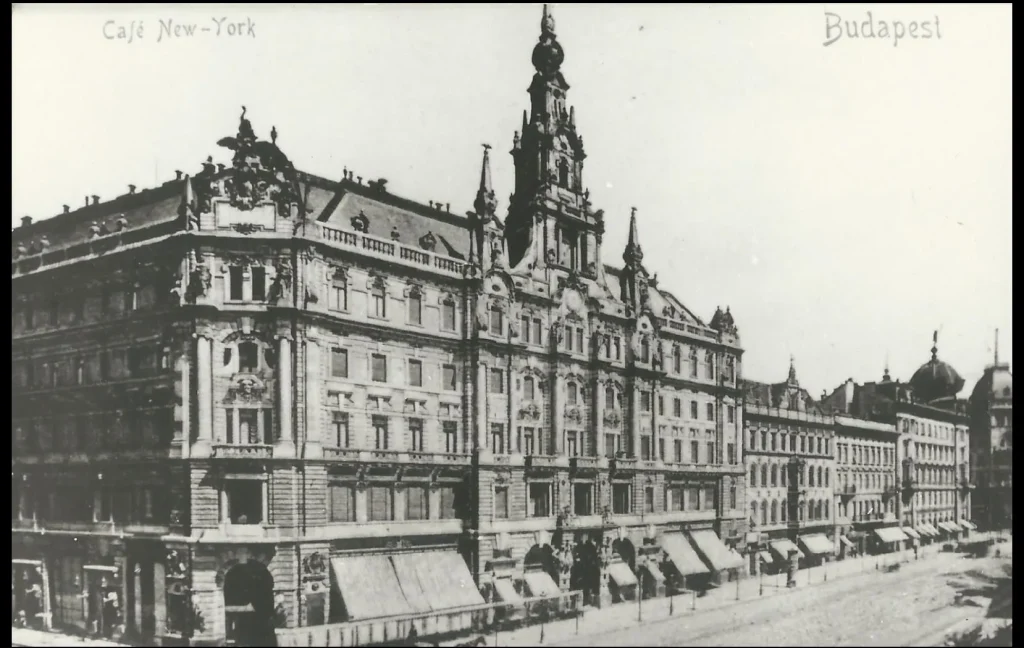
The story began not in Budapest, but in Paris. Max Aufricht – later known as Miksa Arányi – came into contact with executives from the New York Life Insurance Company whilst at the Café de la Paix. The insurance company wished to establish a prestigious headquarters in Budapest, befitting its presence in Hungary.
This is how the idea for the New York Palace came about: a building that would embody the financial power of the age, metropolitan elegance and the ambition of turn-of-the-century Budapest. The vision became a reality: the palace was built between 1892 and 1894 on Budapest’s Grand Boulevard.
A café has been established on the ground floor – the result of a deliberate decision. Coffee houses of that era were not merely places to eat and drink, but also key meeting places for business, social and cultural life. It was in this unique setting that the New York Café opened its doors in 1894.
02
1892–1894: the New York Palace is built
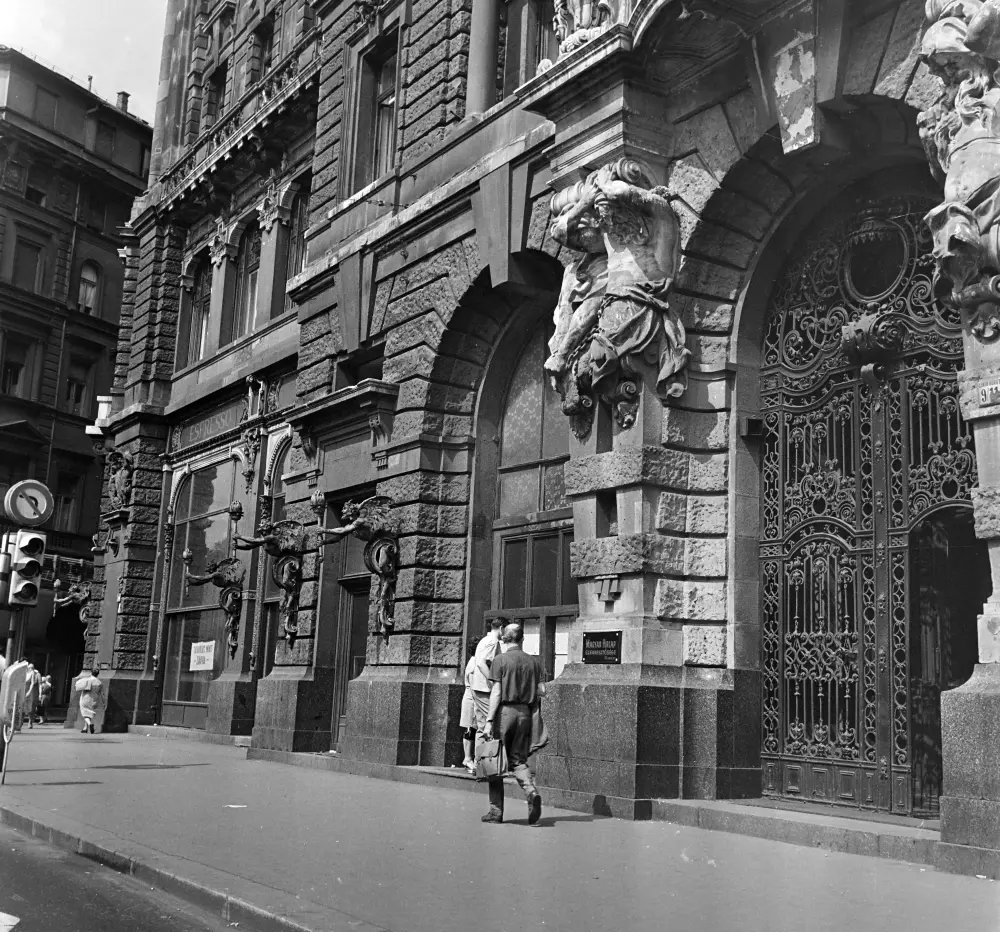
The New York Palace was built between 1892 and 1894 on the site bounded by Erzsébet Boulevard, Dohány Street and Osváth Street. It was designed by Alajos Hauszmann, with the collaboration of Flóris Korb and Kálmán Giergl.
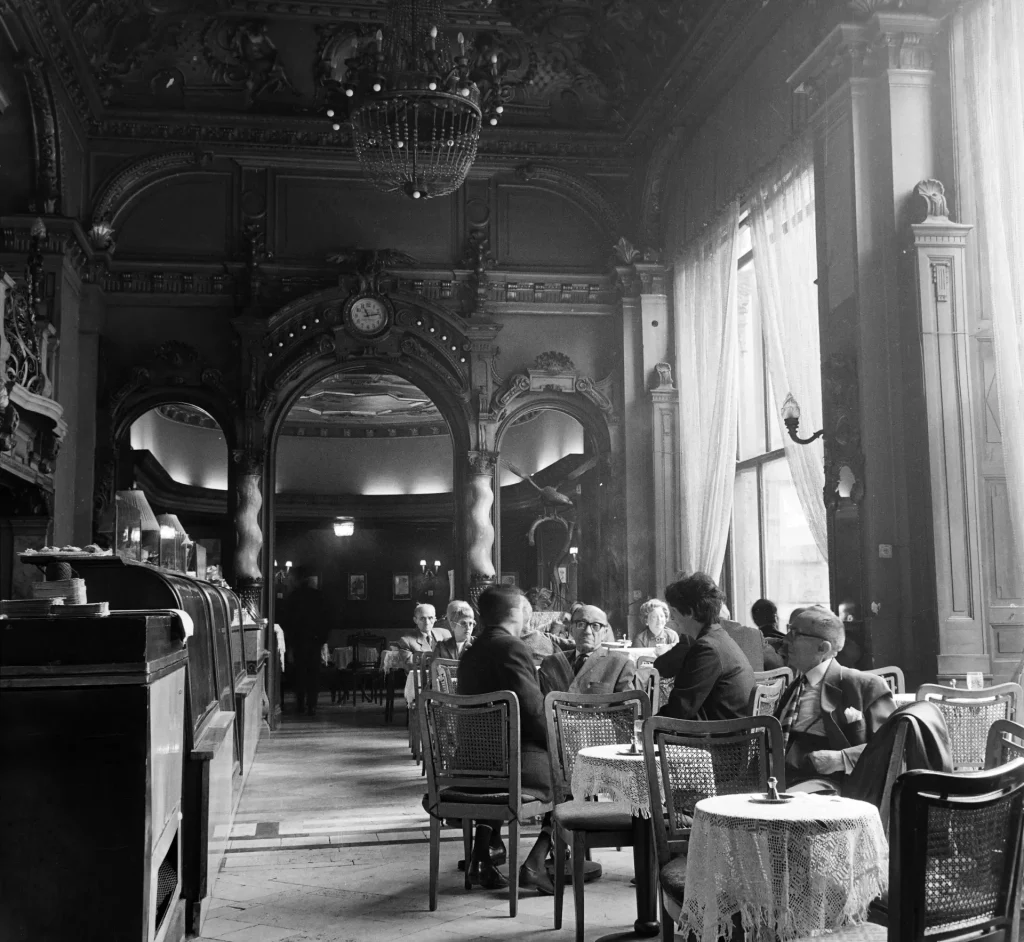
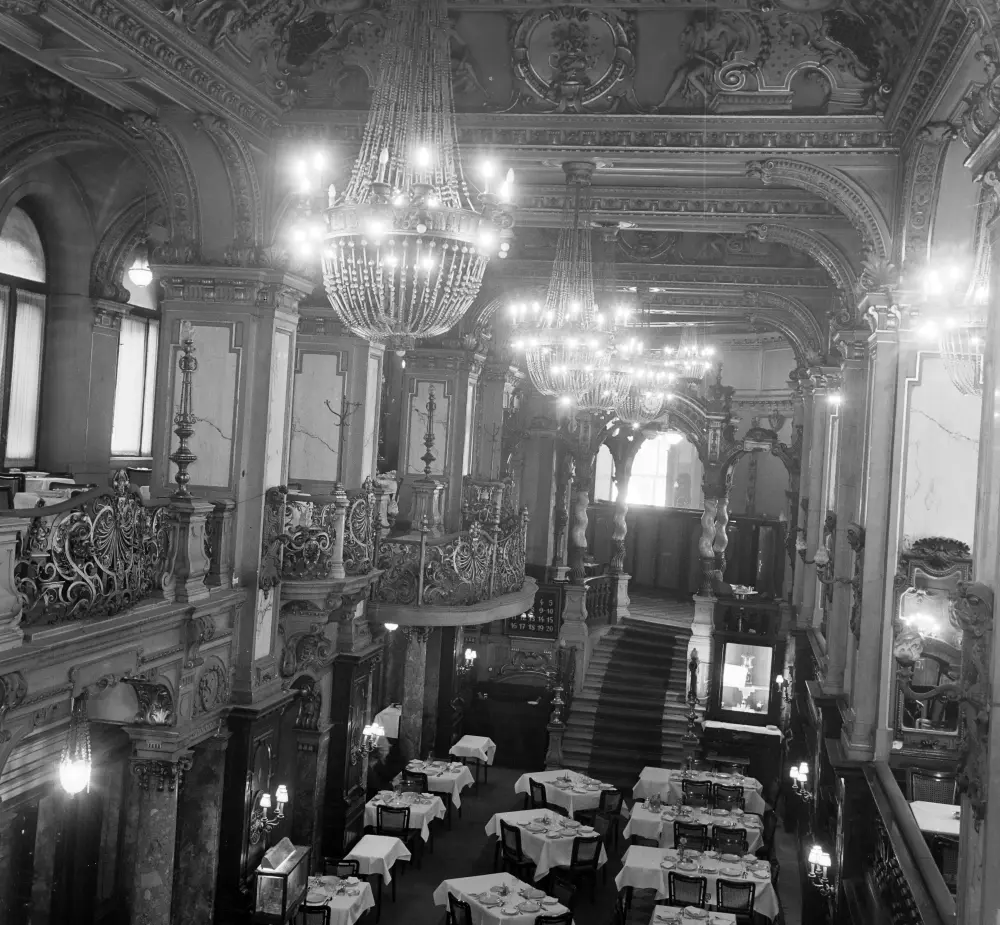
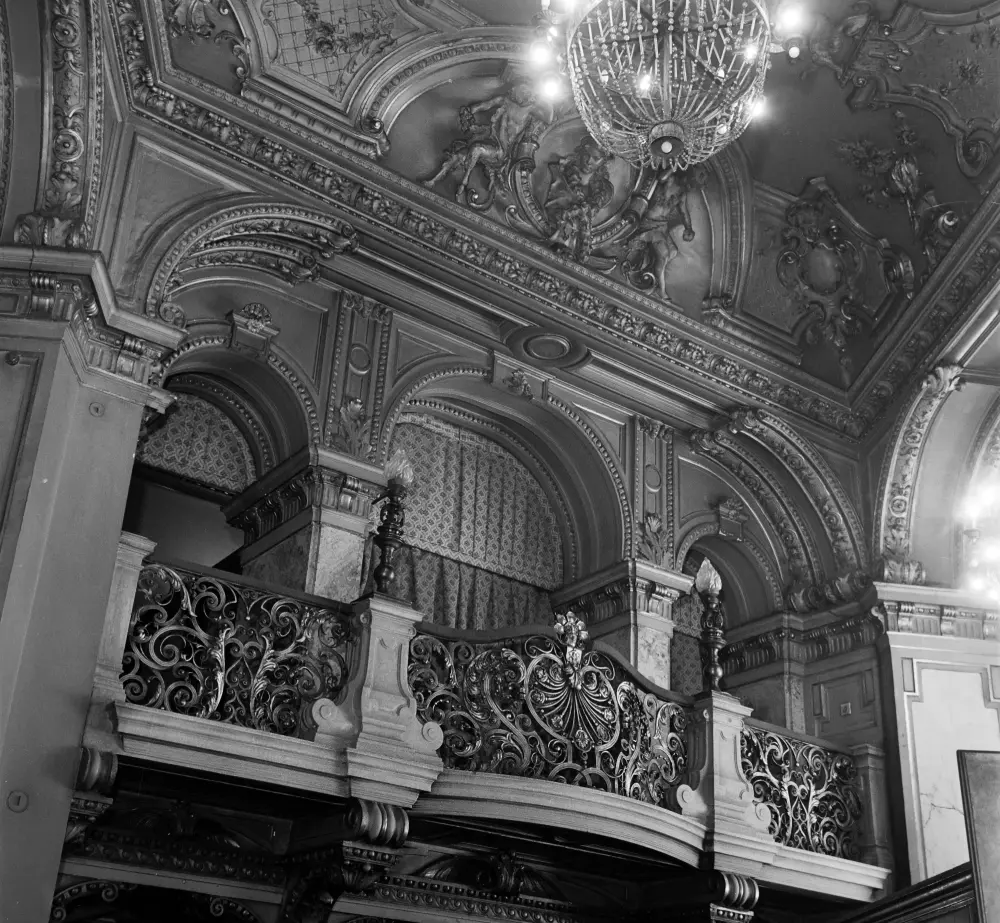
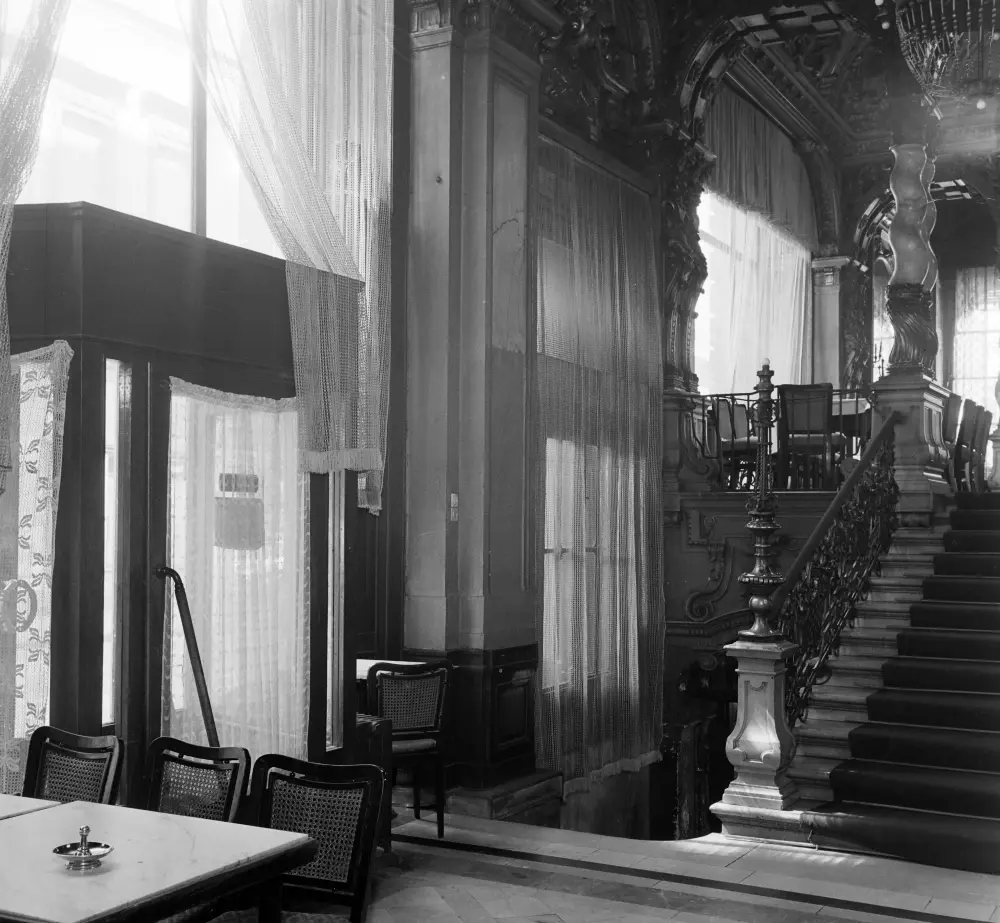
The café, which opened on the ground floor in 1894, offered a spectacular sight from the very first moment. Twisted marble columns, gilded details, ceiling frescoes, Venetian chandeliers, galleries and richly decorated rooms welcomed guests.
In Budapest at the turn of the century, the coffee house served a purpose beyond simply drinking coffee. Even then, the New York Café was more than just a place to eat and drink: it became a social hub, an urban stage and an intellectual meeting place, frequented by businesspeople, journalists, writers, editors and artists. It was here that ideas, articles, poems, editorial decisions and legends were born.
03
Ragout soups
According to one of the best-known legends surrounding the New York Café, after it opened, the key to the café was thrown into the Danube so that the place would never have to close.
For a long time, the story was linked to a group of cheerful journalists, and indeed to Ferenc Molnár.
However, the details cannot be proven so conclusively: Ferenc Molnár was only sixteen years old in 1894, so it is unlikely that he was among the invited guests at the first opening. Researchers consider it likely that the anecdote relates to a later occasion, namely the 1927 opening of the rebuilt café, by which time Molnár was already a celebrated writer, and the ‘New York’ was indeed one of the key meeting places of Pest’s nightlife.
There are several versions of this anecdote, and it cannot be regarded as a proven historical fact. That is precisely why it is a legend: it captures what we have believed about the New York Café for generations. Namely, that this place simply cannot be closed down.
The history of the café did indeed prove this time and again. Its name changed, it took on a different role, it lost its former glory, and then it made a comeback. The legend of the key is therefore not merely an anecdote, but also a symbol of the New York Café’s survival and rebirth.
The tradition lived on into the 21st century. To mark the café’s 120th anniversary in 2014, the management researched the story and then symbolically brought the legend to life: Ferenc Molnár’s grandson, the writer Mátyás Sárközi, threw the café’s keys from the Chain Bridge into the Danube, so that the New York might remain open for at least another 120 years.
There are legends that we cherish not because every detail can be verified, but because they embody the spirit and heritage of a place.
04
When New York became a literary café
The New York Café became a true literary café in the early 20th century. During the time of the Harsányi brothers, the venue welcomed not only guests but also creative professionals: writers, poets, journalists and editors frequented it day in, day out.
Adolf Harsányi understood exactly what a writer needed. The café housed the sixteen-volume *Pallas Encyclopaedia*, the Budapest residential and address directory, the *Gazetteer of Place Names*, the *Financial Compass* and the railway timetable. If anyone got stuck whilst working, all they had to do was ask, and the required volume or information would be brought to them straight away.
It was also possible to work in New York. Guests were given a „dog-tag” – that is, a strip of paper bearing the company’s logo – along with a pen and ink. At the café tables, not only were conversations held, but articles, short stories, poems and editorial ideas were also conceived.
Another key figure in this story is Gyula Reisz, the legendary waiter, known to everyone simply as Gyula. For twenty-six years, he supported writers in whom he recognised talent. He provided writing materials, encouragement, aspirin and patience, and for many he became one of the most important pillars of café life.
For the writers and editors of *Nyugat*, New York was not merely a backdrop, but a workplace, a meeting place and a source of inspiration. The first great era was cut short by the First World War, but in the 1920s and 1930s the café once again became a vibrant social hub. During Vilmos Tarján’s time, a hot food counter was added, and the Mélyvíz room became one of the centres of Budapest’s nightlife. Legend has it that there was a period when an American jazz band even played there, and that a seal having breakfast there helped spread the fame of the New York.
The economic crisis, changes in tenancy and the war later brought this era to a close. But its place in New York’s literary memory has endured: the name of the venue remains inextricably linked to the writers, artists and stories that made it one of Budapest’s most important café legends.
05
The West Gallery and the world of „Nyehó”
In 1908, *Nyugat* was launched, one of the most important literary journals of the following decades. It soon found its intellectual home at the New York Café: Ernő Osvát, the magazine’s legendary editor, used to work in the gallery, and a plaque in his memory can still be seen in the café today.
According to tradition, it was here that early writings, manuscripts, ideas and debates first came to the table. The New York gallery was not merely a meeting place, but an editorial office, a workshop and a source of inspiration all at once. Zsigmond Móricz, Dezső Kosztolányi, Endre Ady, Mihály Babits, Frigyes Karinthy, Jenő Heltai, Gyula Krúdy and many others were all associated with this place.
However, the café was not just for writers. Visual artists nicknamed it „Nyeho”; critics discussed the latest developments in the art world at the famous kidney-shaped table; filmmakers edited their films in the gallery; and musicians felt just as at home there. This is how the New York became one of the most important creative hubs in turn-of-the-century Budapest.
Sándor Márai’s words sum up this world perfectly: „There is no literature without coffee houses.”
06
The Legend of the Lord
In the old world of coffee houses, the waiter was not merely a server, but the discreet orchestrator of social life. He knew the guests’ habits, their debts, their handwriting, their moods, and often even what each person needed to be able to carry on working.
The cultured aristocrat in a waiter’s jacket, a figure of dignity behind the tray.
New York’s folklore also includes the story of a cultured nobleman who had fallen on hard times and continued to work as a waiter in a coffee house. According to the story, he spoke several languages and moved with ease in the world of aristocrats, diplomats and artists, whilst serving guests with a tray in his hand.
When a former card-playing partner recognised him and took pity on him, he reportedly replied simply: „The card took everything away in a manner befitting a gentleman, and I, in turn, serve those who still have something left to gamble away in a manner befitting a gentleman.”
Whether we regard it as a historical fact or a coffee-house legend, it offers a good insight into the world of New York: here, social boundaries were blurred. A writer, an editor, a politician, an aristocrat, a novice journalist and a down-and-out nobleman might all sit at the same table. In this milieu, addressing someone as „my lord” was not mere politeness, but a recognition of the coffeehouse staff’s rank and role.
07
After the heyday: wars and new beginnings
The history of the New York Café was not just about its heyday. The First World War, the economic crisis and then the Second World War fundamentally transformed Budapest’s café culture.
In April 1947, the New York Café was closed for renovation work. The former café premises were then given a completely different purpose: the Supreme Economic Council offered them to the National Sports Goods Trading Company. The Hungarian Nation The issue dated 1 January 1949 reported on the change as follows: Hungarian literature and the history of the coffee house have been inextricably linked from the very beginning. The New York Café, with its unrivalled beauty, inspired many of our Hungarian poets, including Dezső Kosztolányi. The following lines are also from his pen, in which both „Nyehó” and the café feature time and again! Lose yourself in these short excerpts and get a feel for the café’s atmosphere of yesteryear through these brief stories and observations.
For anyone who loves history and enjoys sensing the spirit of the past, these few lines are sure to bring real pleasure and will undoubtedly entice you to visit the Most Beautiful Café in the World, the New York Café!
In other words, the title we now refer to as an award was already taken for granted back in 1949. It’s just that there was no café.
In 1954, Hungária Catering returned to the palace under this name. Although it no longer operated in the classic coffee-house style, for many it continued to evoke memories of old New York. The city preserved the café’s name, its stories, its writers, its artists and its legends – everything that later enabled the New York Café to rediscover its true identity.
08
The Rebirth: 2001–2006
After the turn of the millennium, a new chapter began in the history of the New York Palace. The palace was purchased in 2001 by the Italian Boscolo Group, with the aim of converting it into a luxury hotel and restoring the building to its former historical splendour. The conservation plans were drawn up by the State Centre for the Restoration and Conservation of Historic Monuments was created by its specialists; for the design of the café’s furnishings The history of Hungarian literature and that of the coffee house have been intertwined from the very beginning. The New York Café, with its unrivalled beauty, inspired many of our Hungarian poets, including Dezső Kosztolányi. The following lines are also from his pen, in which both "Nyehó" and the café feature time and again! Lose yourself in these short excerpts and get a feel for the Café’s atmosphere of yesteryear through these brief stories and observations. For anyone who loves history and enjoys sensing the spirit of the past, these few lines are sure to bring real pleasure and will undoubtedly entice you to visit the Most Beautiful Café in the World, the New York Café! The history of Hungarian literature and that of the coffee house have been intertwined from the very beginning. The New York Café, with its unrivalled beauty, inspired many of our Hungarian poets, including Dezső Kosztolányi. The following lines are also from his pen, in which both "Nyehó" and the café feature time and again! Lose yourself in these short excerpts and get a feel for the Café’s atmosphere of yesteryear through these brief stories and observations.For anyone who loves history and enjoys sensing the spirit of the past, these few lines are sure to bring real pleasure and will undoubtedly entice you to visit the Most Beautiful Café in the World, the New York Café!
During the restoration of this listed building, previously unknown features were also uncovered. The aim was not merely to restore the square to its former beauty, but to ensure that the New York Café returned to Budapest’s public life as a vibrant, functioning café once more.
The building, and within it the New York Café, which evokes its former splendour, reopened on 5 May 2006.
The restoration of this listed building won an Europa Nostra Award in 2007.
The palace is now home to the Anantara New York Palace Budapest Hotel, with the New York Café on the ground floor. The café has been run by the Eventrend Group since 2009.
Today, the New York Café is at once a historic monument, an architectural landmark, an international tourist destination and a working café.
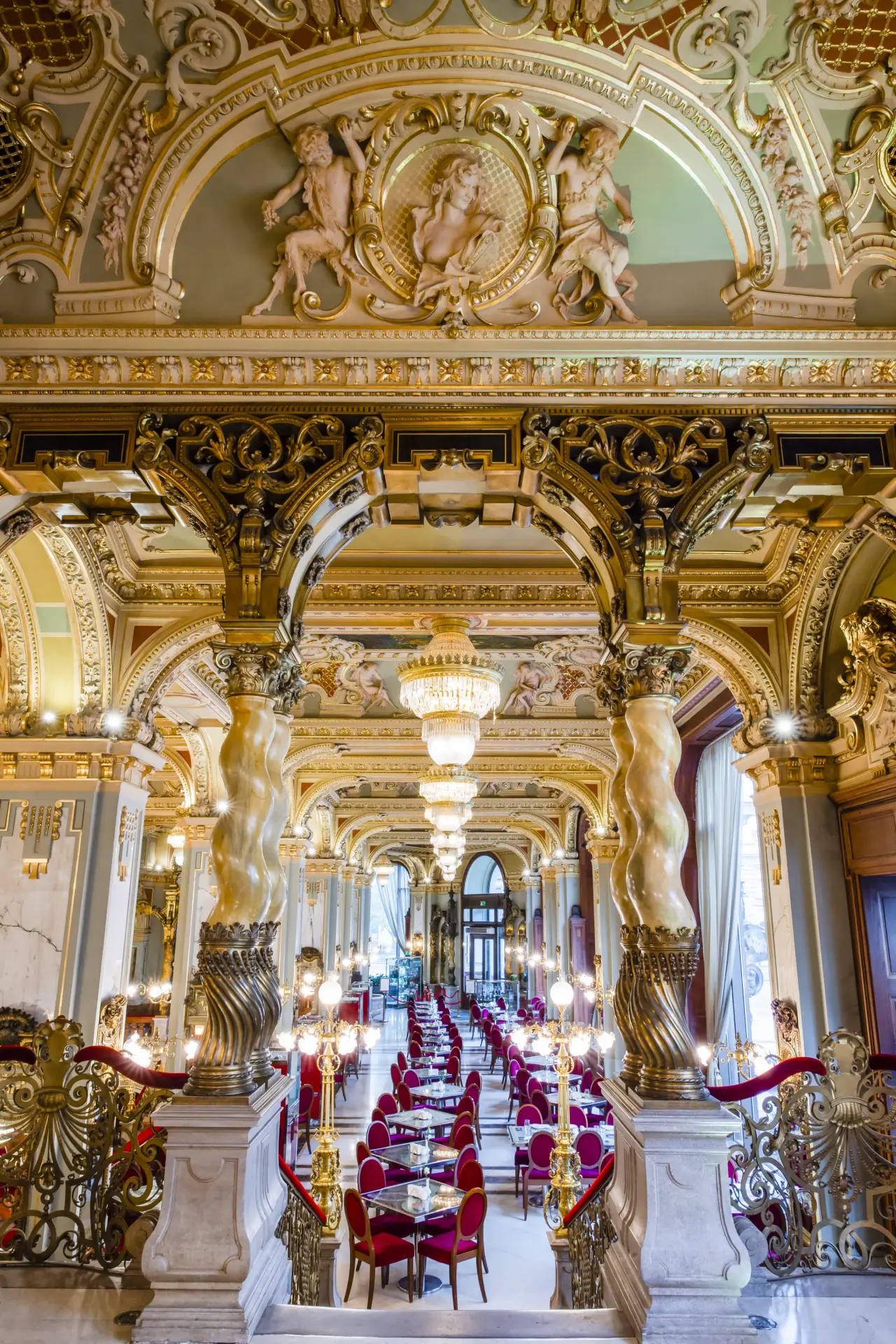
The legend lives on today
Even today, the New York Café offers the very experience that has kept people talking about it time and again for over 130 years.
Some people come because of its history.
Some people are drawn to the interior design.
Some people would like to enjoy a morning coffee, a dessert, lunch or dinner in one of the world’s most famous coffee houses.
And there are those who come simply because, amongst Budapest’s must-see attractions, the New York Café is now an unmissable sight.
The story began in 1894, and continues to this day with new guests arriving every day.
Related subpages
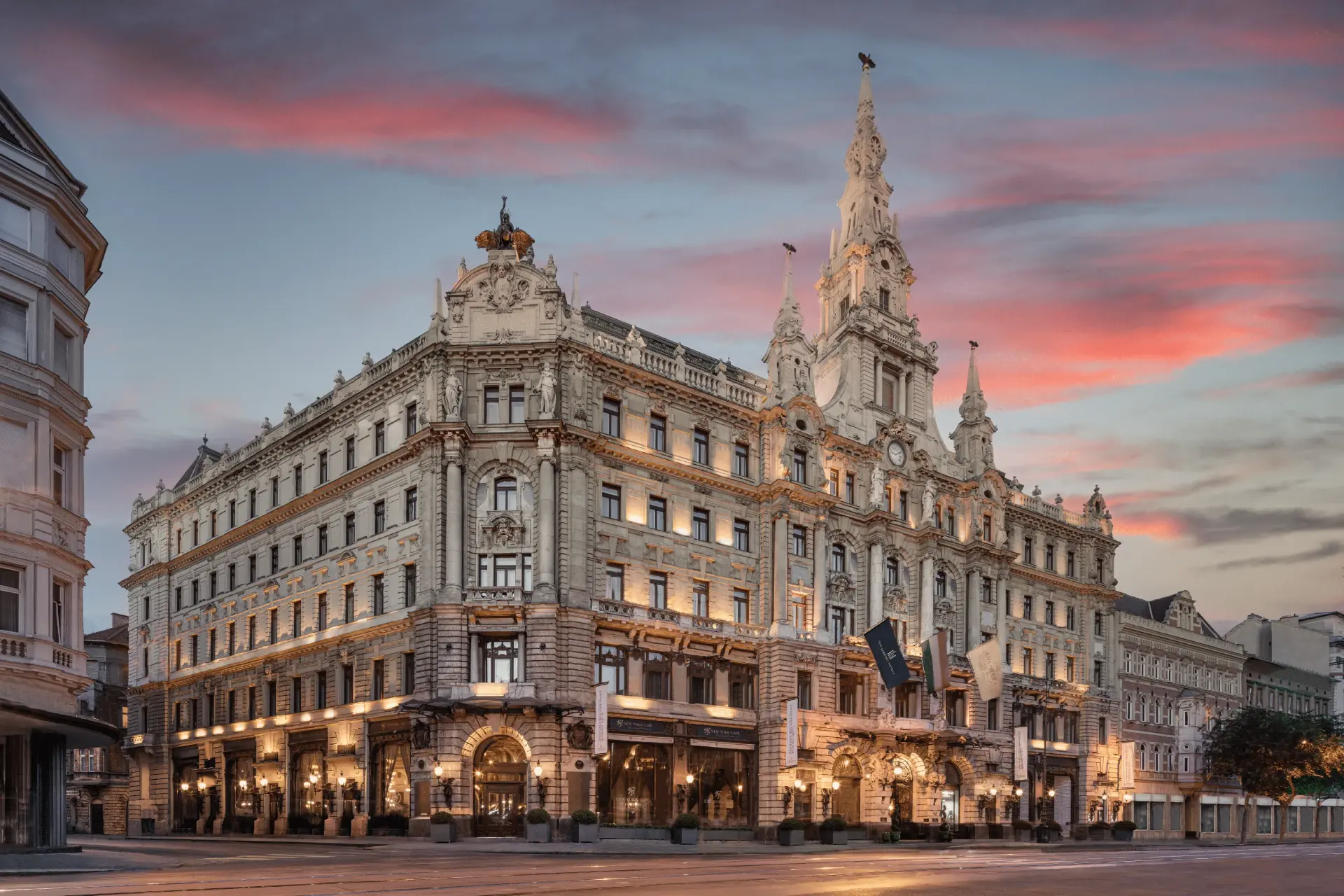
Palace and Architecture
Discover the architectural details of the New York Palace: the twisted marble columns, the ceiling frescoes, the ornamentation on the façade and the figure of El Asmodáj.
Literary life
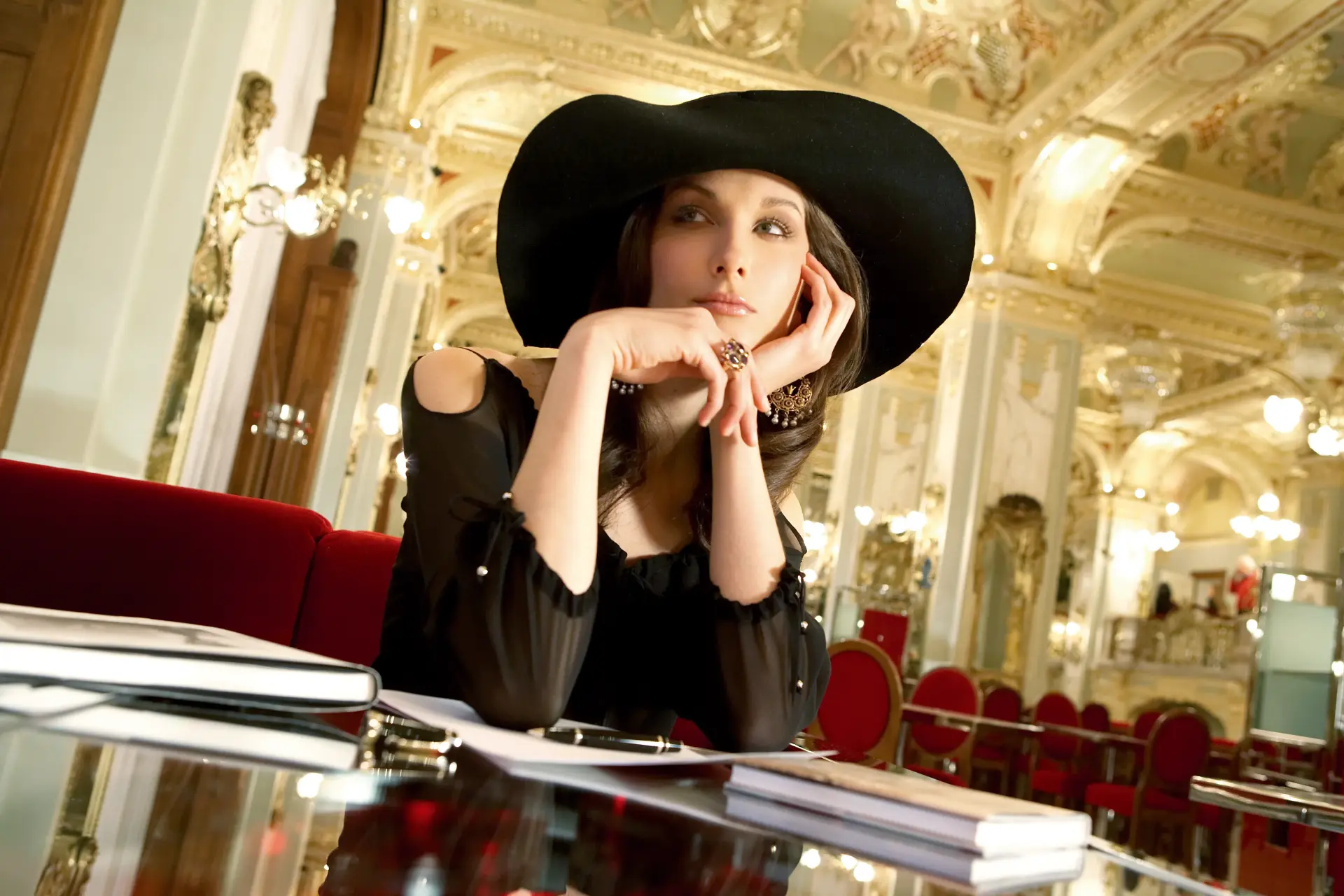
The West, writing desks, café anecdotes, the Művész Páholy, and the stories of artists with links to New York.
130th anniversary
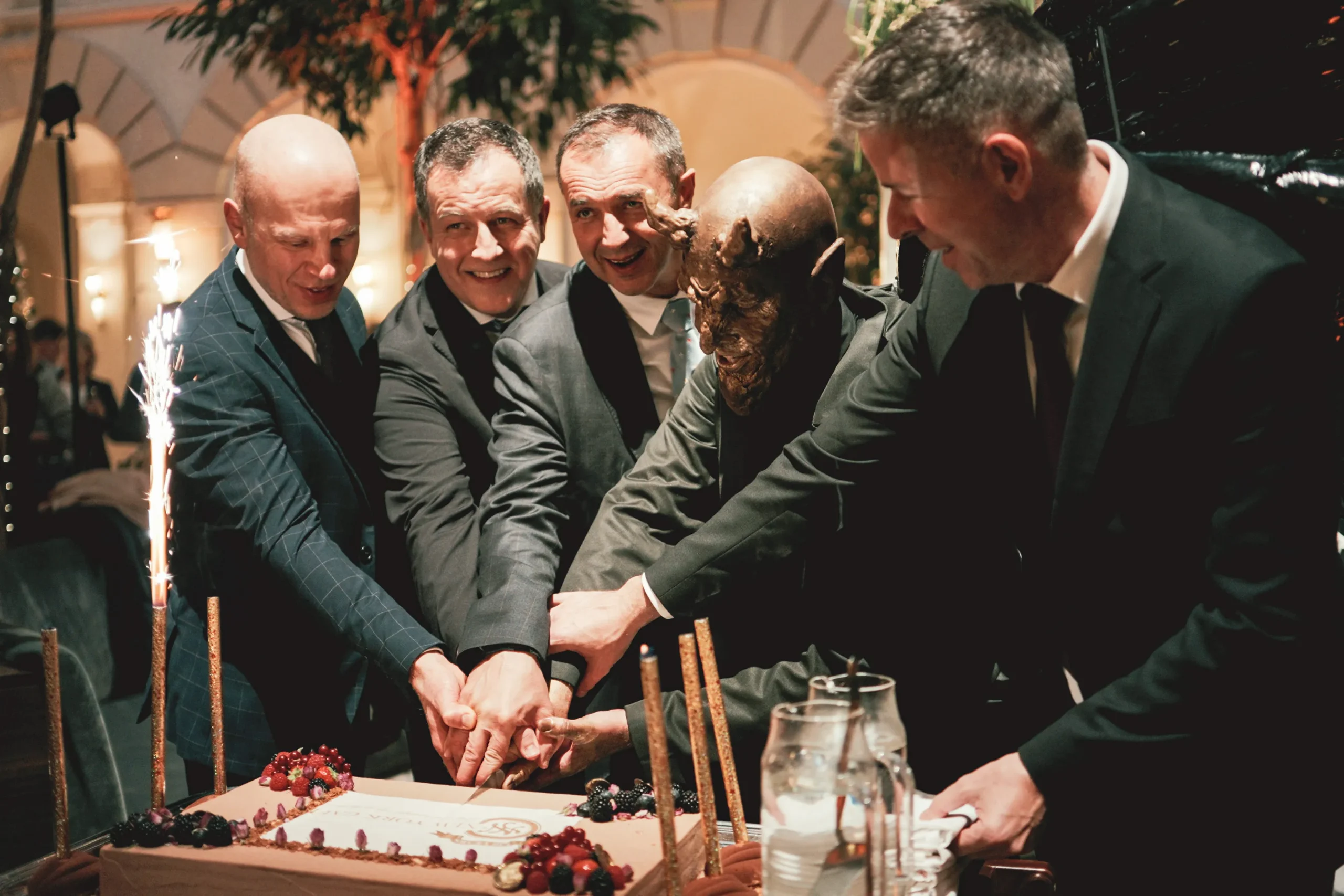
The gala evening marking the 130th anniversary, the guest experience, the programme, the cuisine and the festive atmosphere at the New York Café today.
FAQ
Frequently Asked Questions
The New York Café opened in 1894 on the ground floor of the New York Palace on Budapest’s Grand Boulevard.
The palace was built to a design by Alajos Hauszmann, with the collaboration of Flóris Korb and Kálmán Giergl.
The building was constructed to serve as the Hungarian headquarters of the New York Life Insurance Company. This is where the names ‘New York Palace’ and ‘New York Café’ come from.
The story of the key being thrown into the Danube is the best-known legend of the New York Café. It exists in several versions, but cannot be regarded as a proven historical fact.
Following a major refurbishment of the palace, the New York Café reopened in 2006, restored to its former glory. The restoration of this listed building won the Europa Nostra Award in 2007.
The literary life of the New York Café, the ‘Nyugat’ era and anecdotes about the writers are covered in the Literary life This subpage explains this in detail.
Paid on-street parking is available in the area, and the Anantara New York Palace Budapest’s indoor car park It can be accessed from Osvát Street.