A legendary key-tossing into the Danube
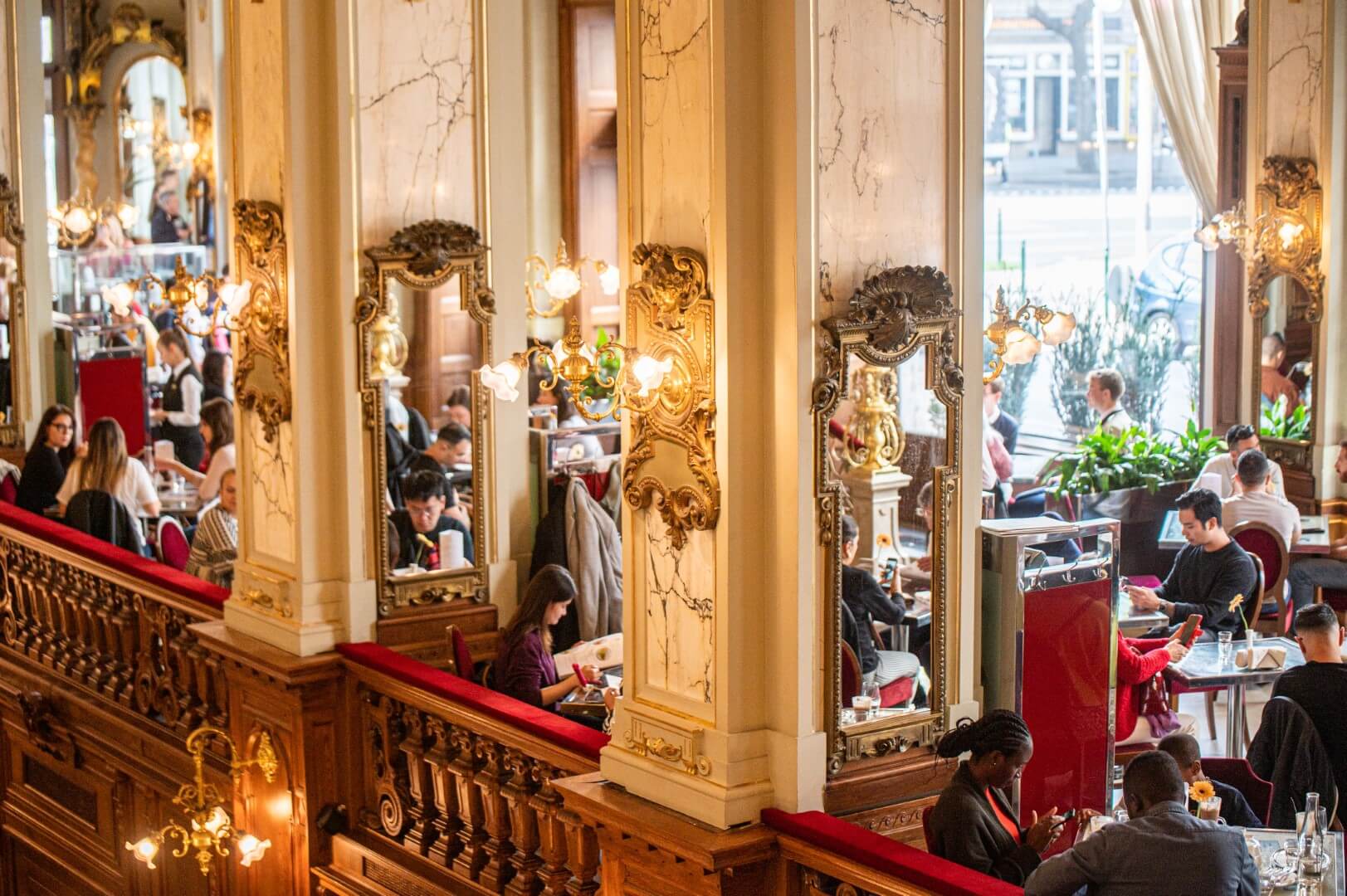
According to legend, at the opening in 1894, the palace so captivated the playful, bohemian writers that they threw the key into the Danube so that it could never be locked
The heart and soul of a New York café: culture
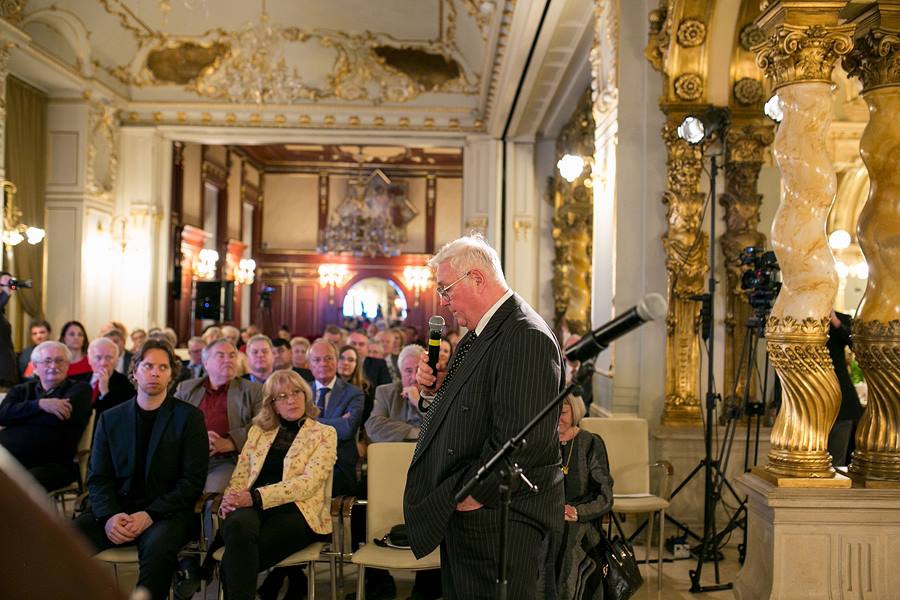
The New York Művész Páholy is celebrating yet another anniversary – its fifth birthday. On 26 March, a grand gala evening was held in the Roma Hall of the New York Palace, organised by
The success of the New York Művész Páholy lies, on the one hand, in the fact that the organisers put their heart and soul into organising their events every month, driven by a commitment to culture. The audience is always presented with a topical message, ensuring that each evening has a clear character and atmosphere, conveying the diversity and values of knowledge, culture and the arts to the audience in a down-to-earth and direct manner. This directness is one of the defining features of the programmes. An event of this scale could not take place if the management of the Café, or its managing director, Csaba Szabó, did not take the event to heart. However, the enthusiasm remains undiminished. Just like that of the hostess, Anna Juhász, who presents the programmes with authenticity, not only through her knowledge and preparation, but because literature runs through her veins: she herself is the daughter of a contemporary poetic giant. Nor can we overlook the now entirely unusual approach to guest communication. One of the driving forces behind the event, Diana Józsa, the marketing manager, personally coordinates and responds to participants’ registrations and enquiries. This form of communication plays a major role in fostering a friendly, direct rapport, and this is clearly reflected in the guests’ reactions. The enthusiastic team at the New York Művész Páholy, working alongside Anna, is thus able to create a highly guest-centred and successful series of literary events.
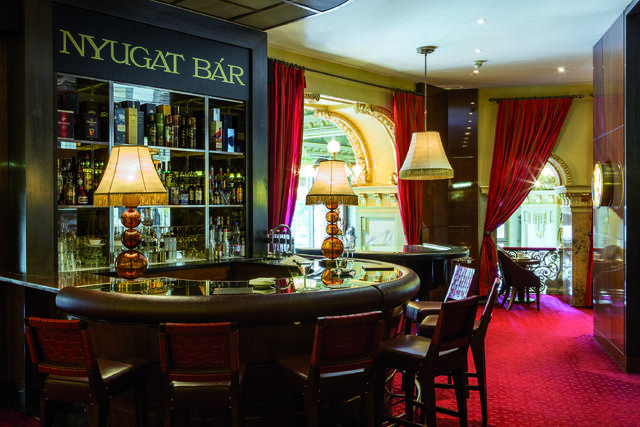
Upholstered seating, a mahogany bar, a plush carpet and – a touch of dim lighting. The Nyugat Bar is ideal not only for a coffee, but also for business meetings, cosy get-togethers with friends or a romantic escape. If you want to keep a low profile but still enjoy a good dinner or a leisurely coffee in a public place, the Nyugat Bar – which is celebrating its centenary this year – is the best choice.
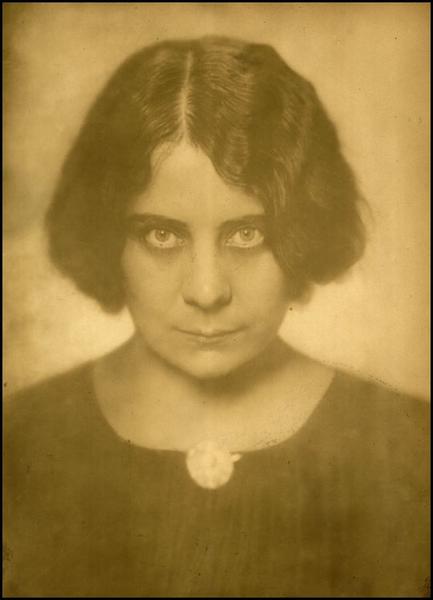
Margit Kaffka – a writer who has found her own voice
During her short life, she was one of the rising stars of a new generation in Hungarian literature; according to her contemporaries, she was exactly that: a WOMAN with a capital W. She created her works using simple, unpretentious words and phrases, yet produced true art. „My Margit, she is such a great talent that she no longer even counts as a woman,” said Endre Ady, who was himself a great admirer of the writer and poet’s vision and style of expression.
Continuing the series we have begun, our aim year on year is for art and our country’s most acclaimed artists to find a home at the Café through these high-quality, enriching evenings, so that there may be a place where like-minded people, committed to art, culture can meet, where, in a „New York-style” atmosphere, culture takes centre stage one evening a month. The New York Művész Páholy evenings have become so popular that places sell out within 1–2 hours of registration opening. This means that sometimes more than 500 guests attend a single evening in the series.
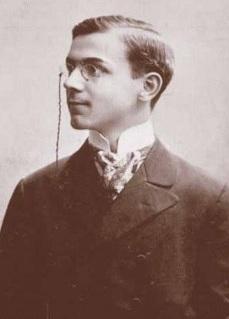
He was granted only 42 years of life, yet masterpieces emerged from his hands. He worked tirelessly and, although he too joined the ranks of the regulars at coffee houses – including, amongst others, the New York Café – idling was the furthest thing from his mind. He mainly worked and worked, and whatever he understood of the events unfolding around him, he rendered with astonishing artistry.
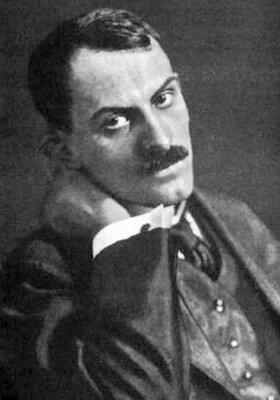
Mihály Babits – the man who took on the role of the stern critic
He was the leading figure of literature, its true guiding light, whilst at the same time becoming a bogeyman to poets, writers and his students. There is ample evidence of his immense erudition, talent and seriousness; and as editor-in-chief of *Nyugat*, he shaped destinies and determined fates. It was not exactly a desire for debauchery that drove him to the New York Café, but rather his editorial work.
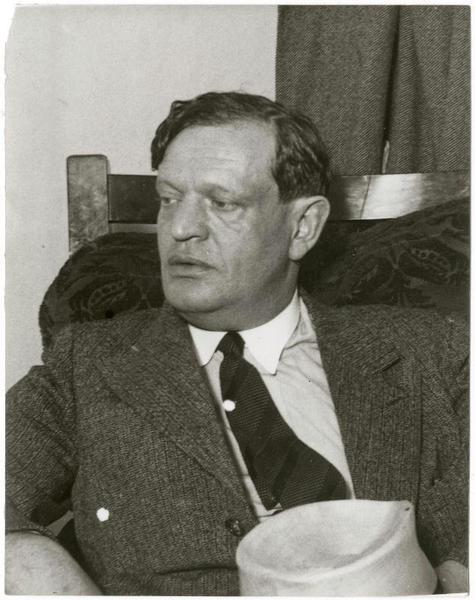
Frigyes Karinthy – the brilliant satirist
When it came to humour, he had no sense of fun. He loved playing cards, laughing and bantering, yet he was a deeply emotional and sensitive man. He was constantly late – from almost everywhere, for almost everything – yet his writings were dead on the mark. Most of them were conceived at the marble tables of the New York Café.
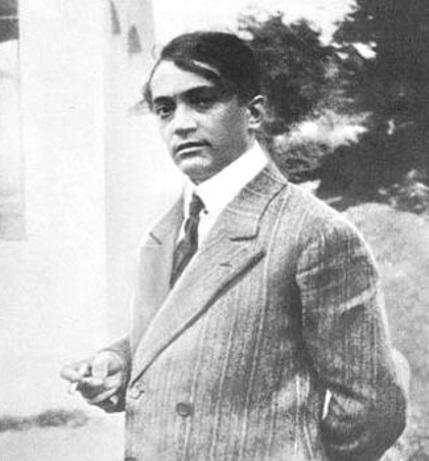
Endre Ady – the tousled regular of the café
‘Kávéházi Borzas’ was Endre Ady’s nickname in coffee houses around 1910. From this, we can surmise that one of the most significant poets of the 20th century, and one of the greatest figures in Hungarian political journalism, spent a fair amount of time in coffee houses. Among other places, he took his seat at the editorial table of the *Nyugatosok* on the gallery of the New York Café, having been a contributor to that newspaper himself.