Literary life in the
At the New York Café
A place where writers, poets, journalists and artists not only met, but also created.
Shortly after it opened, the New York Café became one of Budapest’s most important intellectual meeting places.
The café on the ground floor of the insurance company’s building attracted guests not only with its luxurious interior, but also with the unique atmosphere in which writers, editors, journalists, painters, filmmakers, musicians and critics came together.
New York was more than just a backdrop in the history of Hungarian literature. It was at once a workplace, an editorial office, a meeting place, a social hub and a source of inspiration. It was here that the staff of *Nyugat* gathered, here that the writers of the *Pesti Napló* frequented, here that critics debated, it was here that actors, directors and musicians gathered after premieres, and it was here that the anecdotes were born which remain part of the café’s legendary lore to this day.
Influential figures of the past
When we say ‘influencer’ today, we are thinking of people who shape ideas, tastes, style and public discourse. In Budapest at the turn of the century, this role was filled by writers, poets, journalists, critics, actors and editors.
The New York Café was their community space. It was a place to meet, observe, debate and simply be present. A well-crafted sentence, a new poem, a review or a bit of theatre gossip could set off from here to find its way into newspapers, editorial offices, theatres and social circles.
That is why New York’s literary heritage is not just about who sat at those tables. It is also about how Budapest’s cultural scene functioned: over coffee, poring over manuscripts, through spoken word, debate, humour and, at times, unsparing criticism.
Writers whose stories live on today
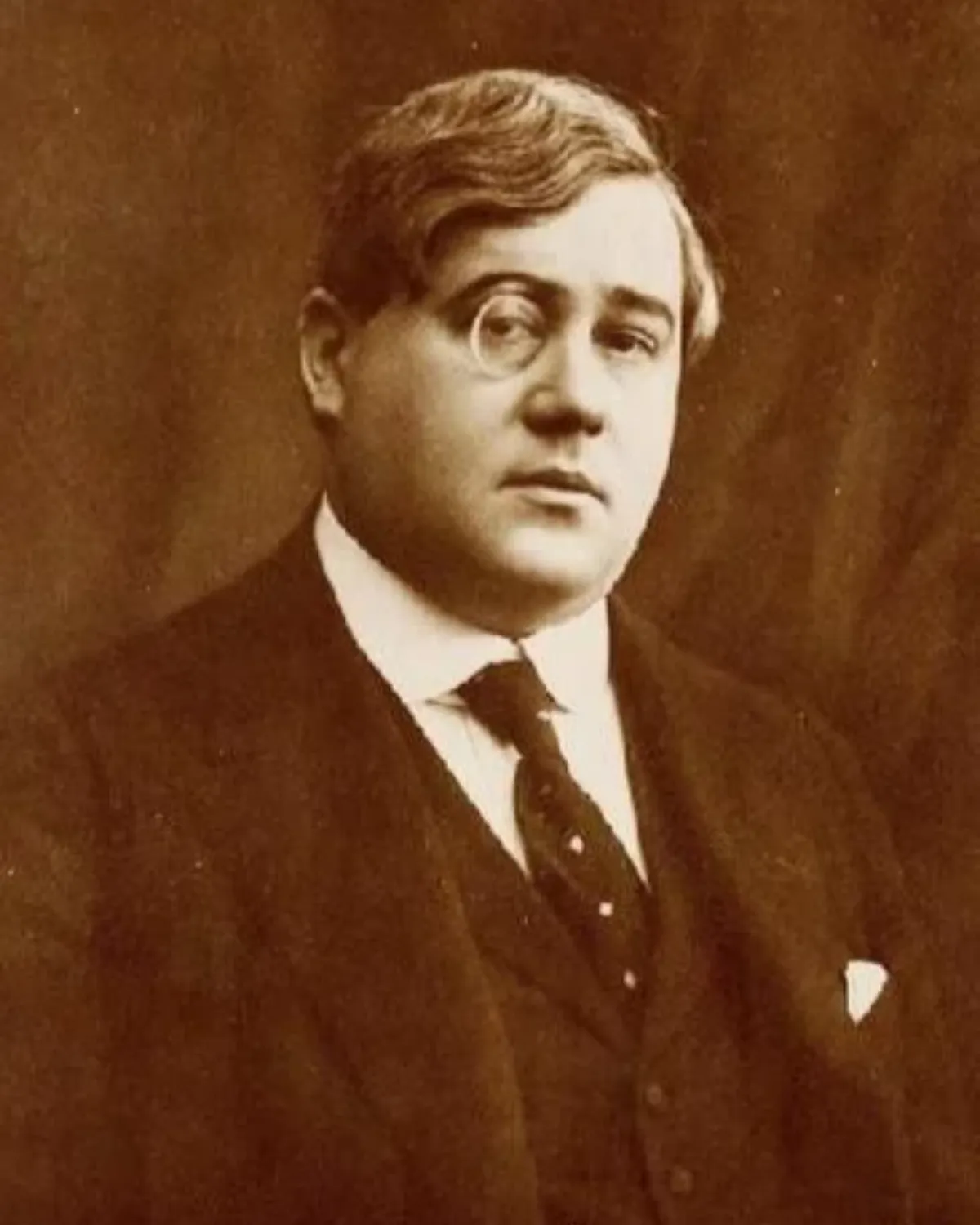
the world-famous playwright and bon vivant
Ferenc Molnár
Read more
The name Ferenc Molnár has become inextricably linked with the world of Budapest’s coffee houses and the legends of New York. As a playwright, journalist and socialite, he had a keen understanding of that milieu where a well-chosen phrase, a witty remark or a conversation lasting late into the night could all become part of a story. Even today, his figure evokes the light-hearted, elegant, cosmopolitan side of New York.
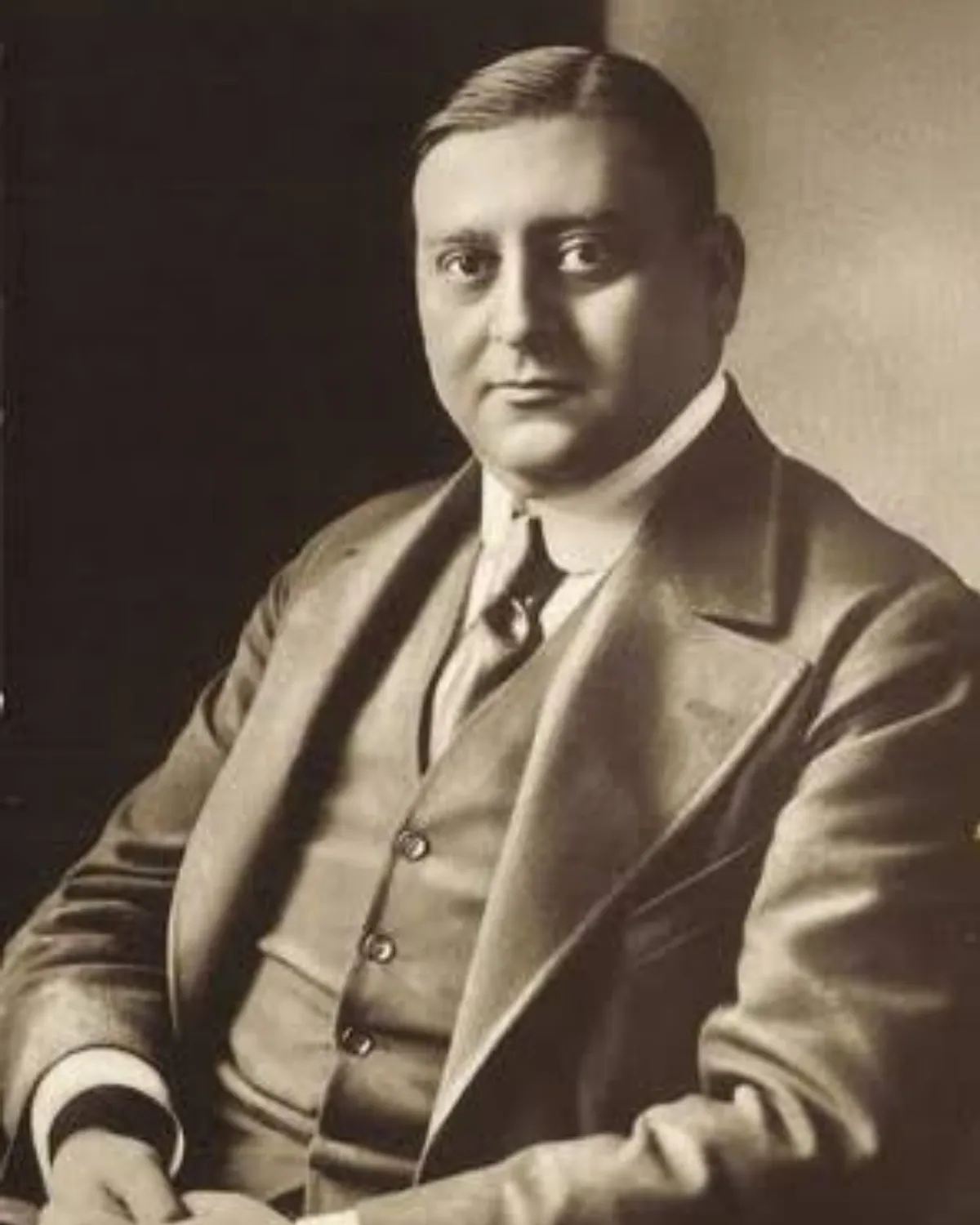
who regarded the New York Café as his home
Jenő Heltai
Read more
For Jenő Heltai, New York was not merely a meeting place, but almost a second home. It was here that the world in which the staff of the *Pesti Napló* and *Nyugat*, critics, theatre people and filmmakers met day in, day out, came together. For him, the café was at once a workplace, a social hub and a source of inspiration.
Here’s the story of how the New York Café became one of Budapest’s iconic, must-visit venues.
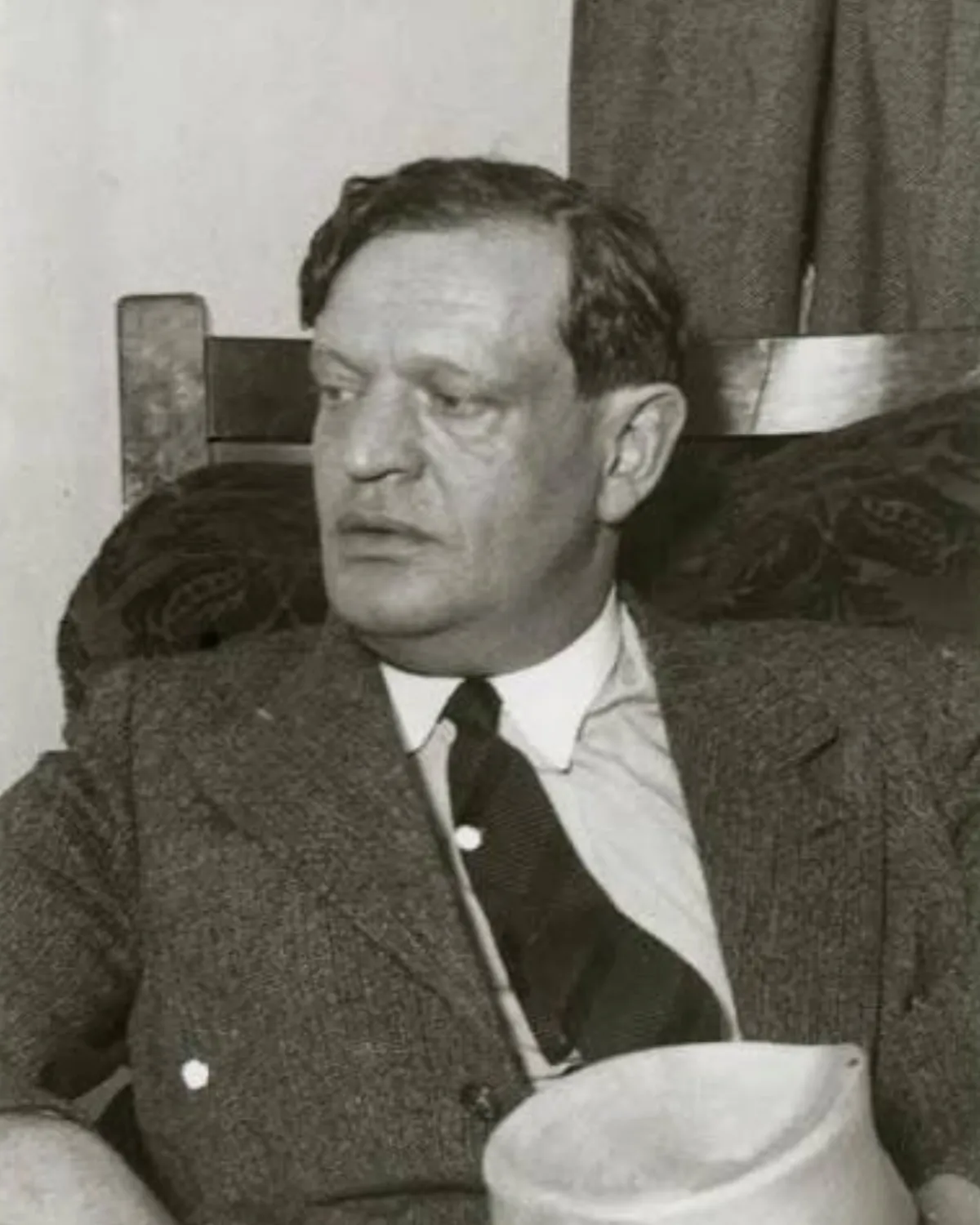
Frigyes Karinthy
Read more
The figure of Frigyes Karinthy is inextricably linked with coffee-house humour, quick-witted debates and anecdotes full of unexpected twists. At the marble tables of the New York, he not only conversed but also worked: the world of his writings drew on the very same intellectual effervescence that made the café one of the legendary venues of Hungarian literature.
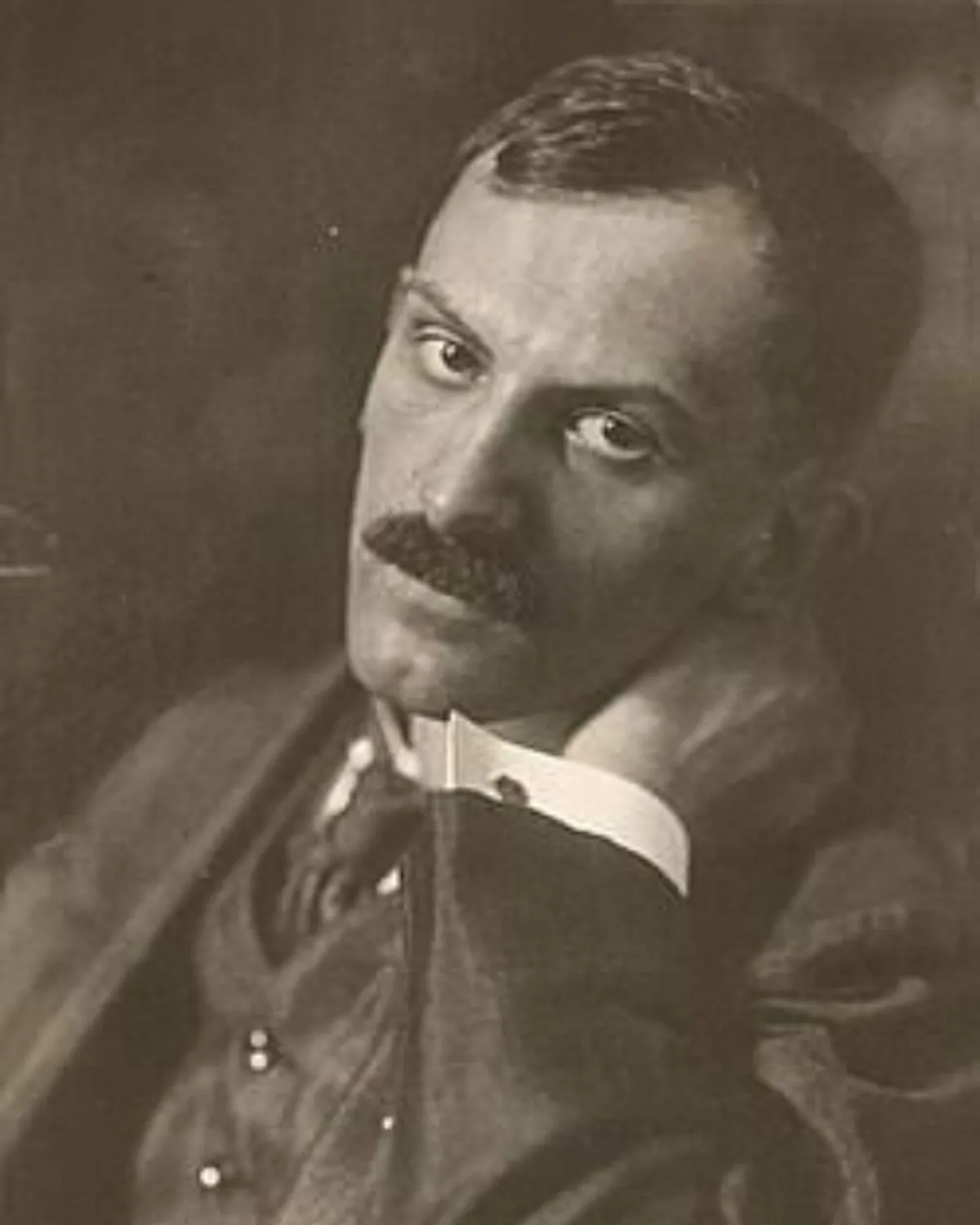
a man of spiritual presence
Mihály Babits
Read more
It was not the boisterous bohemian world of the coffee houses but rather his intellectual rigour, editorial rigour and literary discipline that bound Mihály Babits to New York’s intellectual milieu. As a leading figure in *Nyugat*, he represented an era when the coffeehouse was not merely a social space but also a workshop: a venue for debates, manuscripts, decisions and literary trends.
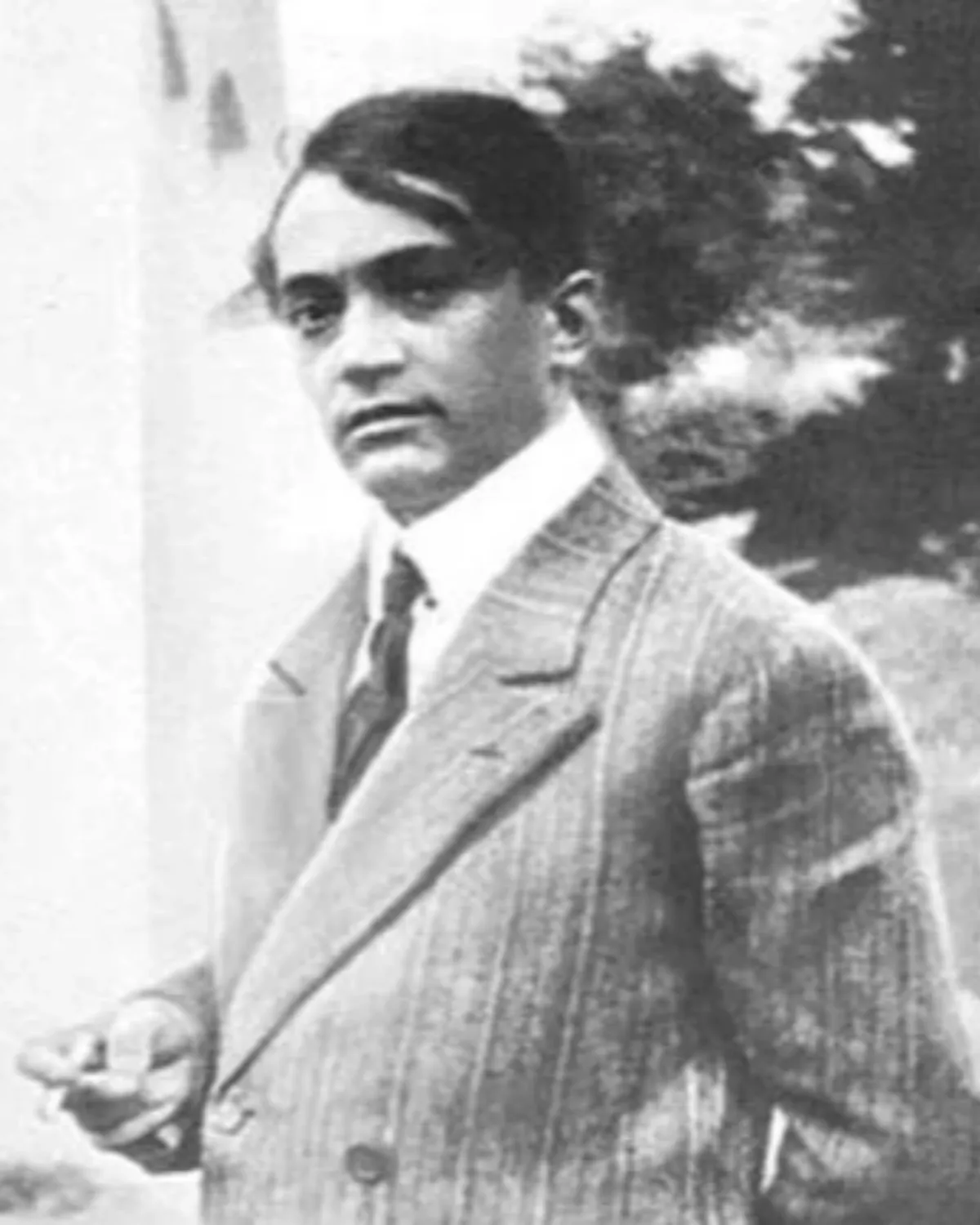
a leading figure of the West
Endre Ady
Read more
Endre Ady, through his association with the Nyugat circle, became one of the leading figures in New York’s literary world. The café’s gallery, the editorial desks and the circle of people that gathered around them all formed part of the intellectual milieu in which the new voice of modern Hungarian literature was born. His presence continues to this day to reinforce the literary legacy of the New York Café.
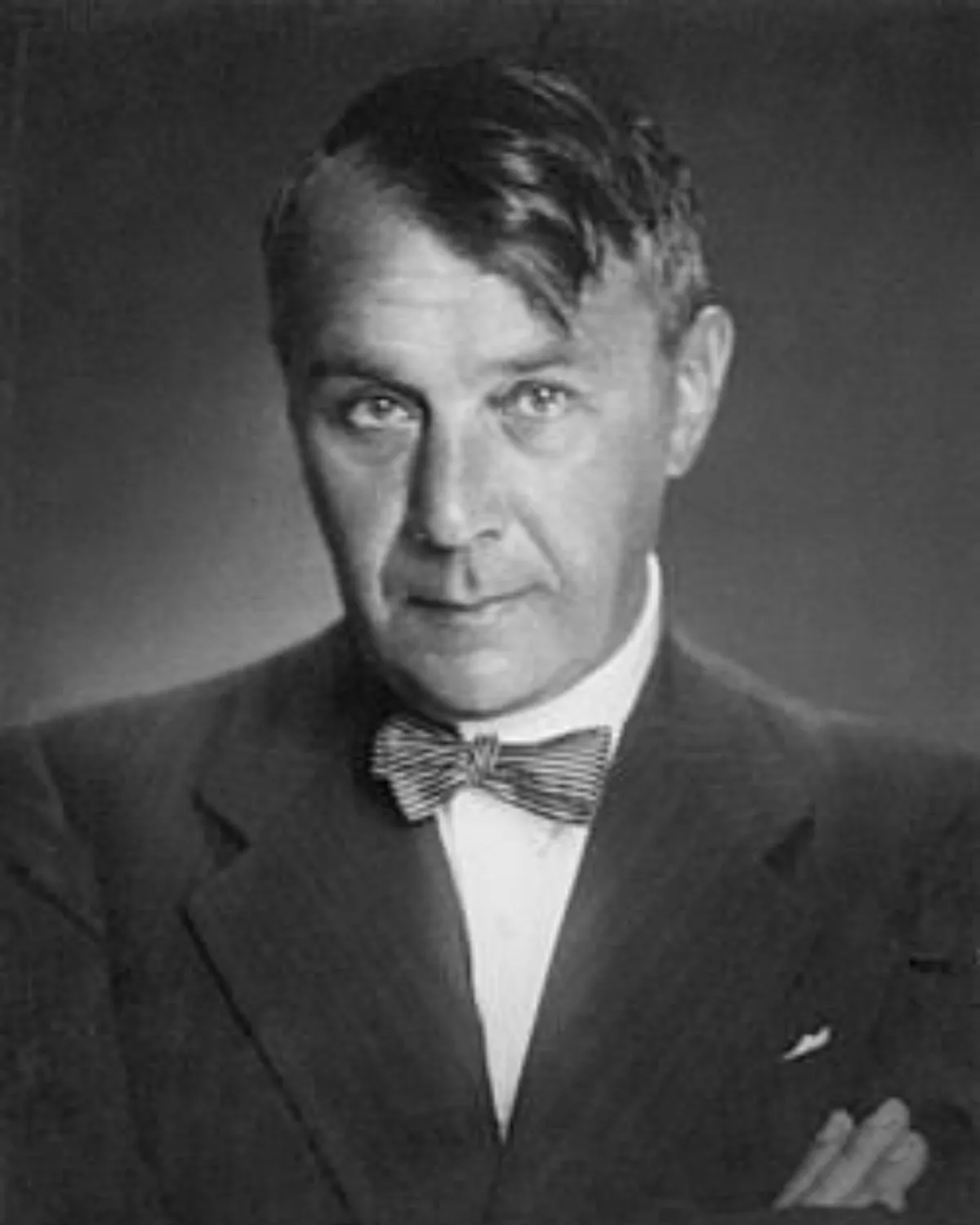
the ever-mischievous one
Coffee specialities at the New York Café to suit every mood
Read more
Dezső Kosztolányi was one of the most versatile figures of the Nyugat generation: a poet, writer, journalist, linguist and witty observer. In the New York café scene, literature did not exist at a solemn distance, but rather in conversations, debates, jokes and off-the-cuff remarks.
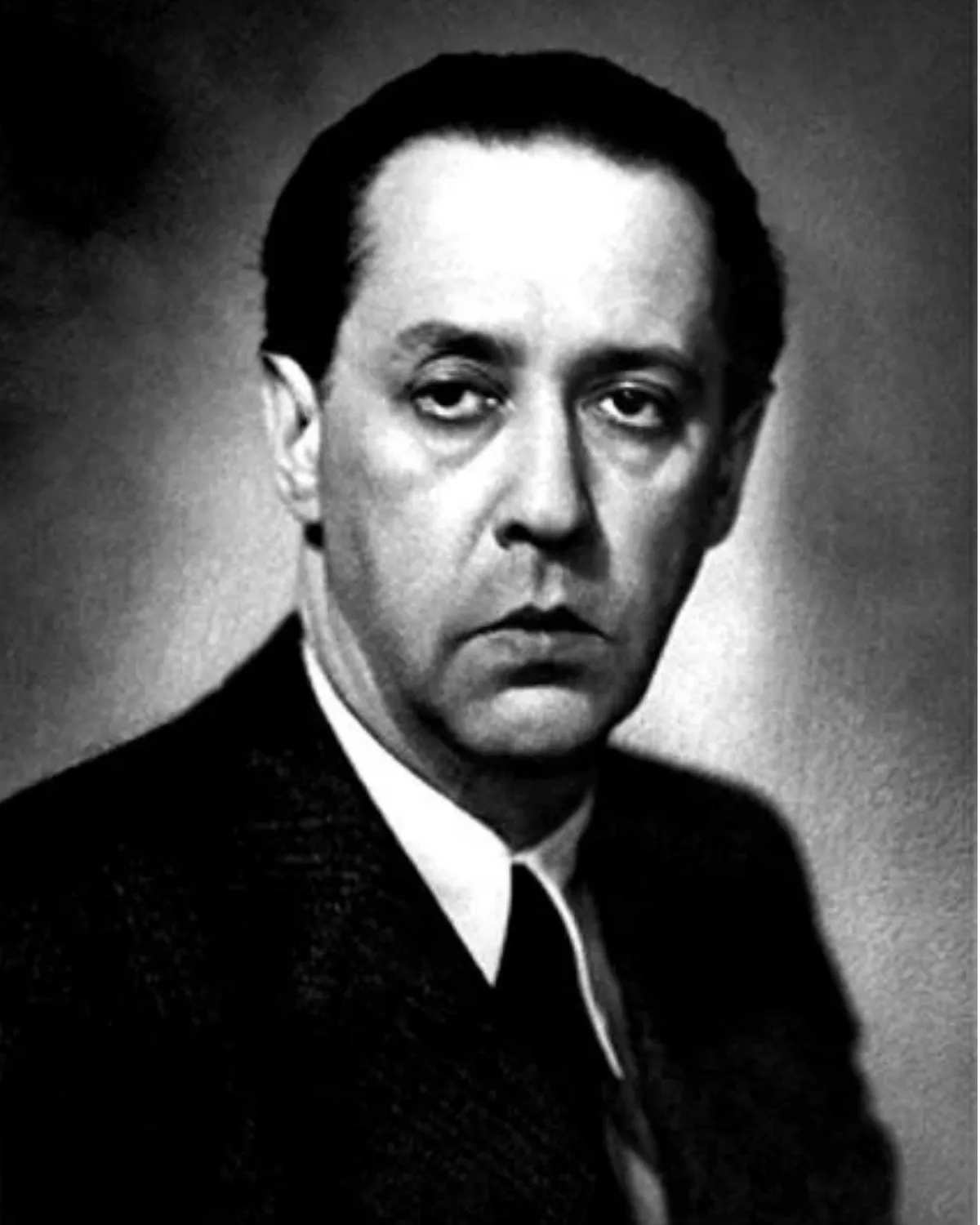
the eternal rebel
At the New York Café, lovers of intense flavours can order an espresso or a double Italian espresso, or a cappuccino with coffee and frothed milk. A vanilla cappuccino is perfect for those who love rich aromas, whilst the latte macchiato offers a more indulgent experience, with layers of frothed milk, espresso and milk foam – and this can even be enhanced with a dash of caramel. According to the observations mentioned earlier, espresso is mainly favoured by those who are tough, persistent in their work, work hard and strive to achieve their goals as quickly as possible. Whimsical hobbies are out of the question, but adrenaline-fuelled sports are very much in. People who drink this sort of coffee really love a bit of excitement. Those who love milky coffee try to be friendly and open-minded towards everyone. Childlike habits are common amongst milky coffee lovers; for example, they might collect soft toys or be a bit whimsical. Experts have dedicated a separate entry to cappuccino lovers: they say that if this is our favourite type of coffee, we are open to the outside world and approach everyday life with optimism. We’re happy to face up to problems and don’t worry about trivial matters. The Melange represents a stronger milk-based coffee, as it is a 50-50 blend of coffee and milk, topped with a layer of milk foam, yet its flavour is not as concentrated as that of a cappuccino. However, it can be stronger and spicier than others, as guests at the New York Café can now order a chilli-flavoured version of the Melange. If you’d like to linger over a cup of coffee that isn’t too strong, you can also choose an American coffee, which, although espresso-based, is topped up with plenty of hot water, allowing you to enjoy a weaker, longer-lasting coffee. Those with a sweet tooth can enjoy iced coffee with vanilla ice cream as a refreshing treat. According to experts, people who drink this sort of coffee tend to be patient. They carry out their tasks very efficiently and are natural minimalists, which is why they seek simpler solutions in all areas of life. They are good team players.
Read more
As a young man, Sándor Márai, following in the footsteps of Gyula Krúdy, became involved in the world of the New York Café. For him, the café was not merely a social space, but also one of the fundamental experiences of literary life: it is from this perspective that one can truly understand the idea which remains one of the key tenets of the New York’s cultural memory to this day: „Without a café, there is no literature.”
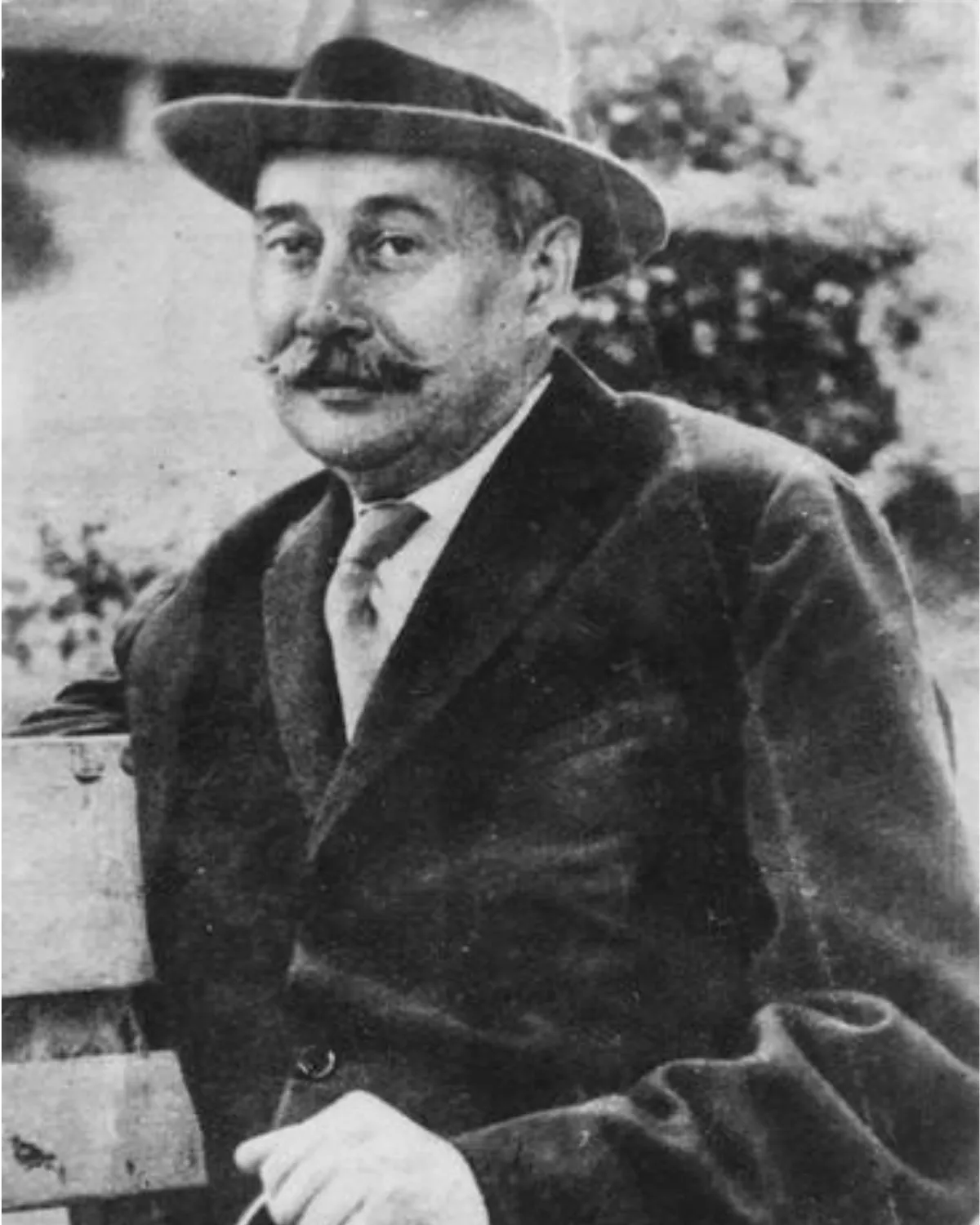
between extremes
Gyula Krúdy
Read more
Gyula Krúdy was one of the greatest storytellers of Budapest’s café scene. He was equally at home in New York as well as in other cafés and restaurants, whilst immortalising, through a wealth of novels, short stories, sketches and legends, a world in which gastronomy, memory and literature were almost inseparable.
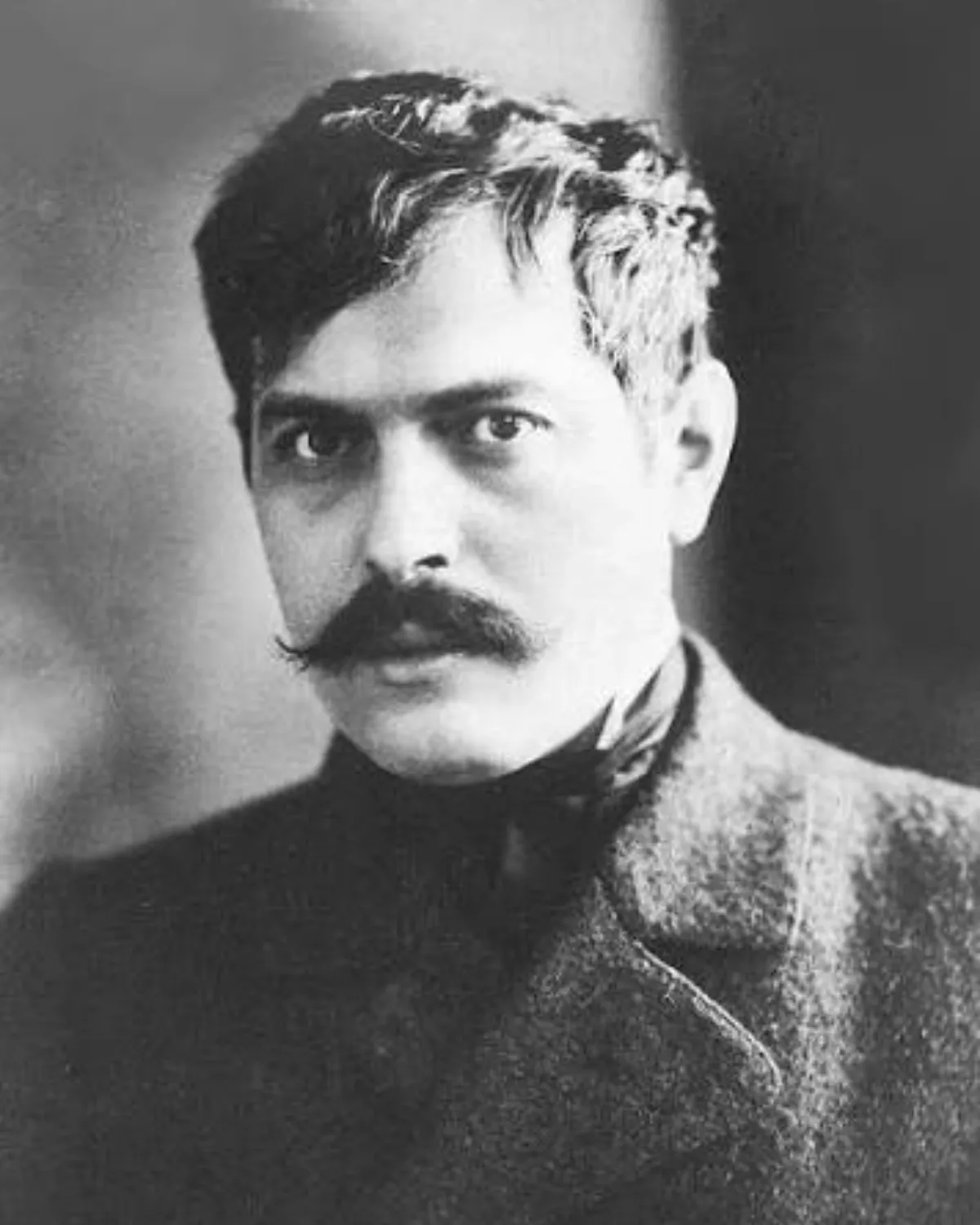
the life and soul of the party
Sándor Bródy
Read more
Sándor Bródy had an impact on the literary life of his era not only as a writer but also as a public figure. He was a passionate, witty and highly sociable figure, whose works and character influenced Ady, Móricz, Krúdy, Szomory and Ferenc Molnár alike.
who has never lost his sense of humour
Jenő Kálmán
Read more
Jenő Kálmán was part of the New York café scene as a journalist, comedian and cabaret writer. His life’s journey took him through captivity as a prisoner of war, editorial offices and theatre circles, yet his stories always retained that light-heartedness which made humour human even in the most difficult situations.
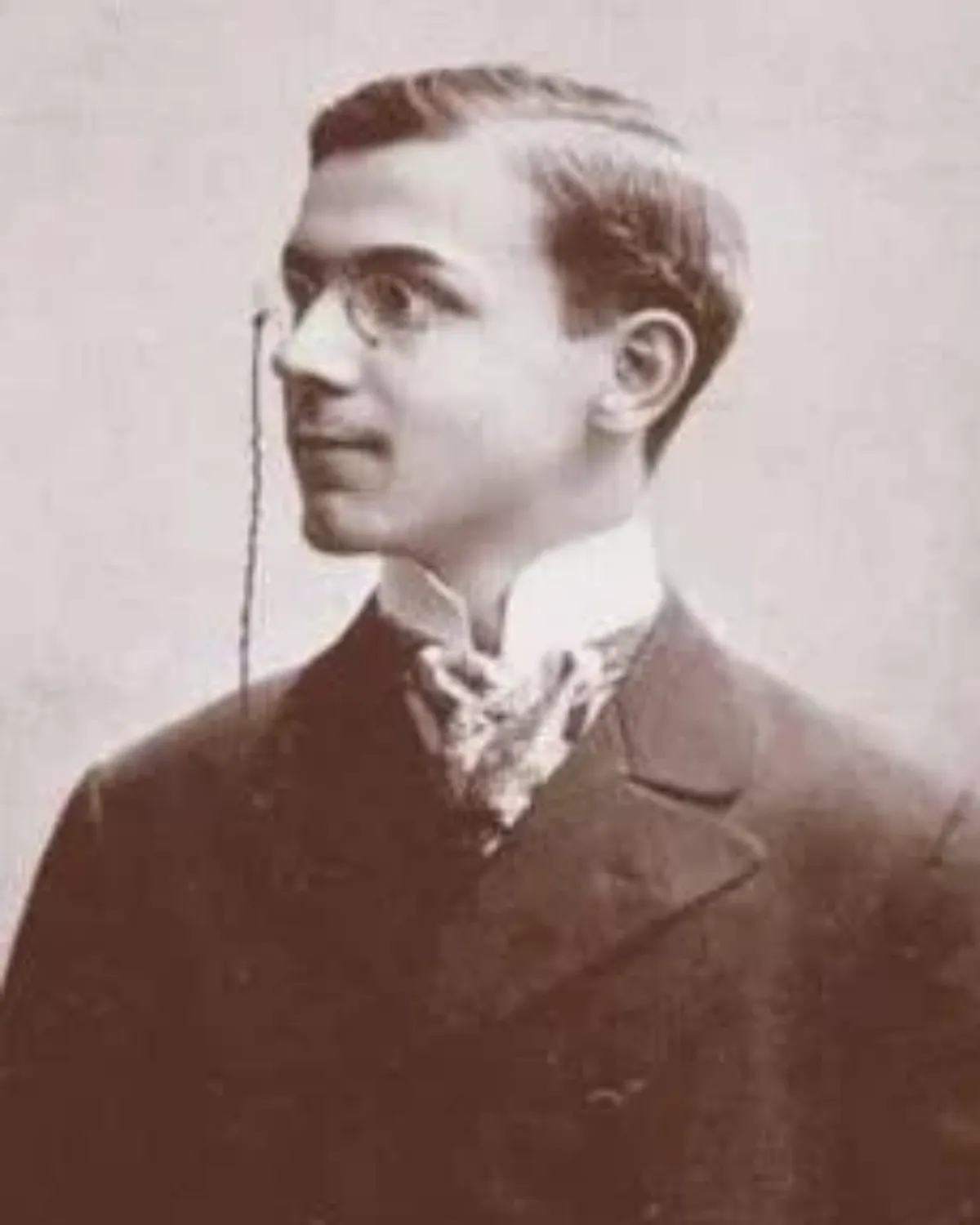
the poet of sorrow
Árpád Tóth
Read more
Árpád Tóth was a quieter sort than the boisterous figures of coffee-house legend, but he too was closely connected to the world of New York. As a poet of the first generation of *Nyugat* and an exceptional literary translator, he observed, wrote and transformed the world around him into a subtle, musical language.
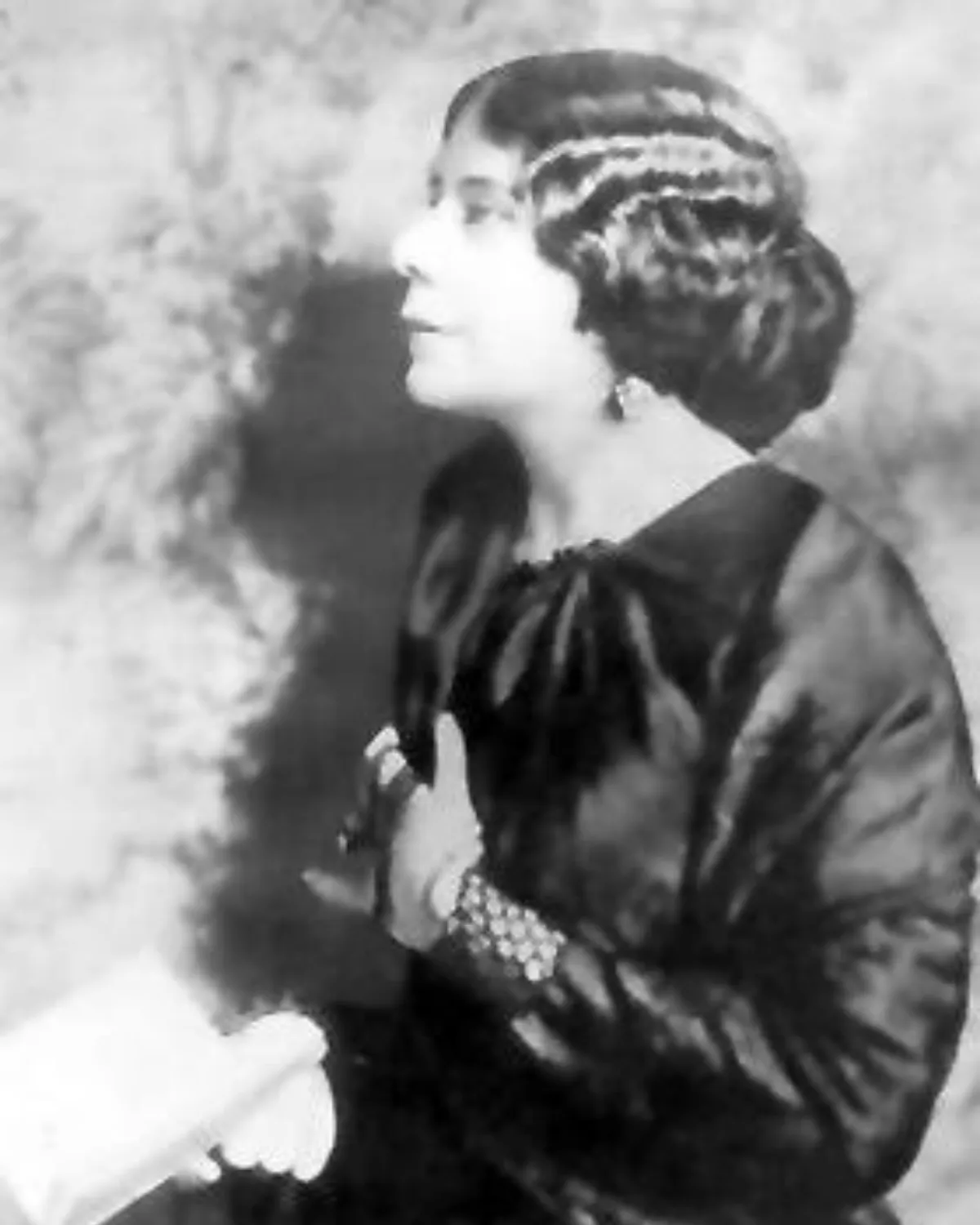
the writer who has found her own voice
Margit Kaffka
Read more
Margit Kaffka was one of the most important female voices of the first generation of *Nyugat*. In her writing, she spoke from her own experience and a strong personal perspective, whilst becoming a natural part of the world of coffee-house and editorial circles where Ady, Babits, Kosztolányi, Árpád Tóth and Karinthy were also shaping modern Hungarian literature.
They were all part of the cultural milieu that made the New York Café not just a café, but one of Budapest’s most important literary landmarks.
Art and coffee houses today
Throughout the café’s long – and by no means uneventful – history, it has been characterised by its patronage of literature and the arts. Following in the footsteps of our writers and poets, we wish to remain true to this endeavour to this very day. A prime example of this is our hugely popular ‘New York Művész Páholy’ series, which we organise year after year within the walls of the New York, organised by Anna Juhász.
Why is the New York Café significant in the history of literature?
In the early 20th century, it served as a meeting place for writers, poets, journalists and editors. Several leading figures from the *Nyugat* magazine were associated with the café.