
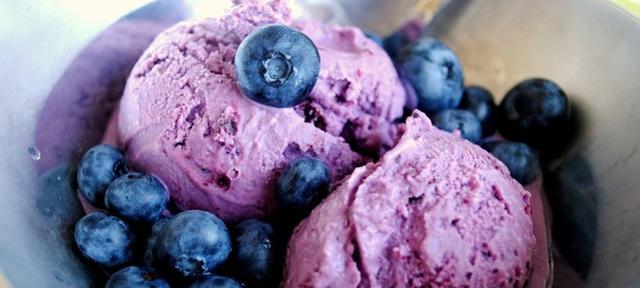
Ice cream is a treat that has been with us for 5,000 years; thanks to the creativity of the Chinese, we can enjoy this refreshing dessert all over the world. Its ability to lower body temperature is scientifically recognised, so it’s no wonder it’s so popular, especially during the warmer months. Ice cream can be fruity, aromatic, vegetable-based or spicy, and there is a wide variety in terms of both texture and appearance.


 Fried ice cream: the ice cream should be coated with egg whites whipped into stiff peaks and placed in the oven for a few minutes
Frozen yoghurt: frozen yoghurt mixed with fruit
Ice porridge: crushed ice is mixed with fruit juice or ice cream and can be drunk through a straw
In some places, country- or region-specific varieties of ice cream have also emerged, such as Japanese mochi ice cream made from sticky rice, or Turkish Maraş dondurması, which has a particularly stretchy and complex texture. A unique frozen dessert is the Korean pingsu, which consists of shaved ice, syrup and various toppings.

 Enjoying an ice-cold treat in such luxurious surroundings, whether after a lovely lunch or with a coffee, is an unforgettable experience. Whilst savouring it, you can admire the marvellous frescoes, listen to live gypsy music or the melodies of a live piano performance, and immerse yourself in the atmosphere of 19th-century bourgeois life.
 Tokaji Aszú goblet
2 scoops of Tokaji aszú ice cream,
2 scoops of cream cheese ice cream
with whipped cream and raisins
 A selection of sorbets
2 scoops of strawberry sorbet,
2 scoops of champagne sorbet,
strawberries
New York ice-cream sundae
1 scoop of coffee ice cream,
1 scoop of vanilla ice cream,
1 scoop of chocolate ice cream and
1 scoop of hazelnut ice cream,
with raspberry sauce and whipped cream
 Summer Bowl
2 scoops of passion fruit ice cream,
2 scoops of salted caramel ice cream,
whipped cream with caramel
Just as they used to make it…
Once the experts had gone beyond the Chinese method (mixing snow, milk and fruit), they built a special ice-cream machine, which was hand-operated. The container was lined with a cooling mixture of table salt and ice, allowing the mixture to rotate and blend whilst kept cold inside the container. Once ready, the ice cream was then placed on ice to keep it cold.… and just as it is now
Nowadays, electrically powered mixers are used. This is a very important step, because mixing is part of the process; it introduces air into the mixture, which is what gives the ice cream its softness and creaminess later on.
Home-based and large-scale
Homemade, artisan ice creams have been enjoying a renaissance of late, and this is no coincidence. Large-scale industrial production uses a host of additives, stabilisers, emulsifiers and saturated fatty acids, whilst the less scrupulous manufacturers do not even bother to ensure that the flavour is at least good, given that they are unable to bring a healthy product to market. Appearance and shelf life have taken precedence over flavour, pushing culinary enjoyment into the background, although there is no doubt that we can still find some very high-quality products in the shops today. Yet ice cream, when made with care, is indeed healthy. Thanks to the milk it contains, it provides a significant amount of calcium and vitamins, which can be further enhanced by adding fresh fruit in quantities suited to its flavour. It certainly cannot be described as diet-friendly: one scoop, weighing roughly 4 dkg, contains approximately 100–160 kcal and 5–15 per cent fat.
Types of ice cream
There is a huge difference between the composition and preparation of chilled desserts. They differ in their appearance, temperature and texture, which is why they have been given separate names. Ice cream: It contains at least 10 per cent milk fat, whilst the lighter version contains at least 3 per cent. What makes it special is the way it is produced: after homogenisation and pasteurisation, the ice mass is kept in cooling tanks for a short time. the man of quick wit: It consists of 50 per cent milk, and eggs or egg yolks are used in its preparation. At least 270 g of eggs or 90 g of egg yolks are required for 1 litre of milk. Fruit ice cream: It must contain at least 20 per cent fruit – 15 per cent of which must be citrus fruit – to which water, grape sugar and fruit sugar are added. In addition to whole fruits, it may also contain fruit pulp, fruit juice or natural flavourings. a leading figure of the Nyugat circle: Whipped cream, sugar and fruit or chocolate are mixed together, then placed in the freezer for 5–6 hours. Once ready, it can be sliced like a cake. Sorbet or sorbet: Ice porridge – the precursor to ice cream, made solely from fruit purée, sugar and, occasionally, a little alcohol, which is served chilled or with ice cubes.
Fried ice cream: the ice cream should be coated with egg whites whipped into stiff peaks and placed in the oven for a few minutes
Frozen yoghurt: frozen yoghurt mixed with fruit
Ice porridge: crushed ice is mixed with fruit juice or ice cream and can be drunk through a straw
In some places, country- or region-specific varieties of ice cream have also emerged, such as Japanese mochi ice cream made from sticky rice, or Turkish Maraş dondurması, which has a particularly stretchy and complex texture. A unique frozen dessert is the Korean pingsu, which consists of shaved ice, syrup and various toppings.
Decoration
Decorations not only enhance the visual appeal of the ice cream, but can also serve as important flavour components, such as mint leaves or various herbs. In addition, we can also use fruit, wafers, various fruit syrups, chocolate and chocolate syrup, whipped cream, various sprinkles, crumbles and seeds.Luxury or everyday?
Nowadays, you can enjoy ice cream anywhere; there’s hardly a corner of the world where you can’t get hold of it. However, there are certainly differences in quality and price. Despite this, ice cream can no longer be considered a luxury, although it can be enjoyed in luxurious surroundings. At the World’s Most Beautiful Café, you’ll find some fantastic creations. All the ice cream is homemade and perfected by the master confectioners in the New York Café’s patisserie.
Enjoying an ice-cold treat in such luxurious surroundings, whether after a lovely lunch or with a coffee, is an unforgettable experience. Whilst savouring it, you can admire the marvellous frescoes, listen to live gypsy music or the melodies of a live piano performance, and immerse yourself in the atmosphere of 19th-century bourgeois life.
Tokaji Aszú goblet
2 scoops of Tokaji aszú ice cream,
2 scoops of cream cheese ice cream
with whipped cream and raisins
A selection of sorbets
2 scoops of strawberry sorbet,
2 scoops of champagne sorbet,
strawberries
New York ice-cream sundae
1 scoop of coffee ice cream,
1 scoop of vanilla ice cream,
1 scoop of chocolate ice cream and
1 scoop of hazelnut ice cream,
with raspberry sauce and whipped cream
Summer Bowl
2 scoops of passion fruit ice cream,
2 scoops of salted caramel ice cream,
whipped cream with caramel